Cart
No products in the cart.
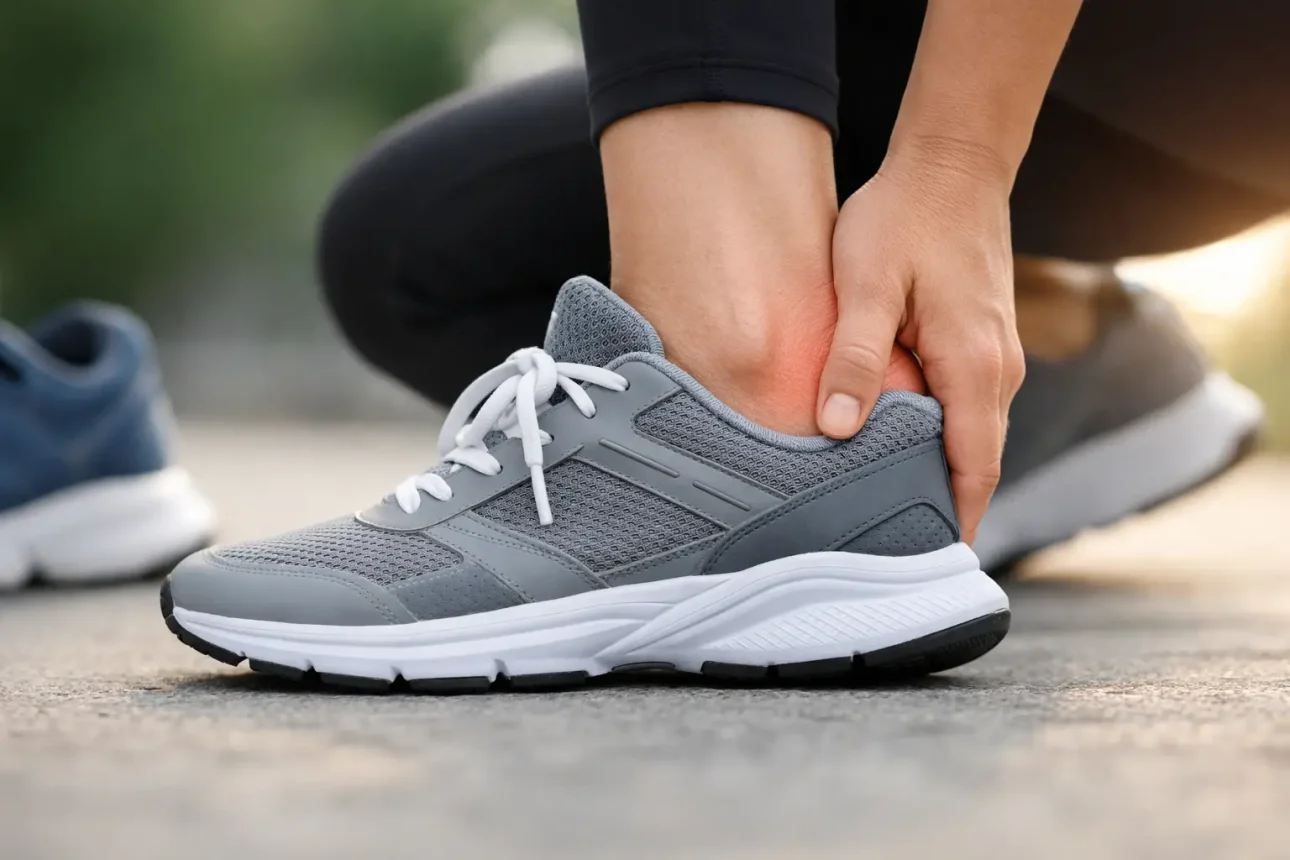
That sharp heel pain when you stand up in the morning is hard to ignore. If you’re shopping for the best sneakers for plantar fasciitis, you probably don’t want hype. You want shoes that take the edge off, feel stable underfoot, and still look like something you’d actually wear outside the house.
We’ll say this upfront – no sneaker is a medical fix. But the right pair can make a real difference in how your feet feel by lunchtime, on your commute, or after a long shift. We like shoes that do three things well here: cushion the heel, support the arch without feeling weird, and keep the foot steady instead of letting it collapse inward.
A lot of people assume softer always means better. Not really. If a shoe is too squishy and unstable, your foot has to work harder to control every step. That can annoy the plantar fascia even more. We usually prefer cushioning with some structure to it. Think protected, not marshmallow.
Heel-to-toe drop matters too. That’s the difference in height between the heel and forefoot. For plantar fasciitis, many people do better in shoes with a moderate or higher drop because it can reduce strain on the back of the foot and calf. Zero-drop shoes can work for some people, but we would not call them the easy choice if your heel is already angry.
Then there’s the shape of the shoe. A stable base, a secure heel, and enough room in the toe box all help. If your toes are cramped, your gait changes. If your heel slips, you tense up. Small problems add up fast when you’re walking all day.
If you want maximum cushion, this is still one of the first pairs we think of. The Bondi feels thick underfoot, but not dead. It softens the landing well, especially under the heel, and the wide base helps keep things calm and centered.
It’s not a sleek shoe. Let’s be honest. It looks bulky, and some people love that chunky look more than others. But if your feet hurt and you need relief more than style points, the Bondi earns its place.
We like this one for people who overpronate or just feel better in a more guided shoe. The Adrenaline doesn’t feel wild or flashy. It feels dependable. That’s the point.
The ride is balanced. Not too soft, not too firm. Brooks uses side support that helps keep your foot from rolling too far inward, which can matter if plantar pain shows up with flat feet or tired arches. If you want a do-it-all daily shoe, this is a strong pick.
The Kayano has been around forever because it works for a lot of people. It gives you support without feeling harsh, and the heel cushioning is usually excellent. We like it for walkers, runners, and anyone who wants that locked-in feeling.
The trade-off is price. It usually sits in the premium lane. Also, if you hate structured shoes, this may feel like too much. But if your feet need control, the Kayano is one of the safer bets.
If you want support without looking like you just left a marathon expo, the 990 is a smart choice. It has that rare thing a lot of comfort shoes miss – you can wear it all day and still feel put together.
Underfoot, it’s stable and firm in a good way. Not harsh, just grounded. We like it for everyday wear, city walking, and workdays where you’re standing more than sitting. It doesn’t feel as plush as a Bondi, but some feet actually prefer that.
On shoes get a lot of attention for the look. Fair enough. But the Cloudrunner deserves credit because it’s not just style-first. It has a stable ride, a supportive feel through the midfoot, and enough cushion for long walks.
What we don’t love is that some On models feel firmer than people expect. If you want pillow-soft, this isn’t that. If you want a shoe that feels upright, light, and controlled, it makes more sense.
The Clifton is the easier, more versatile Hoka for a lot of people. It’s lighter than the Bondi, less bulky, and still gives you that protected ride Hoka does well.
We often recommend it if you want something for walking, light running, travel, and daily wear without the full max-cushion look. The only catch is stability. It’s decent, but if you really need motion control, there are better options.
Some shoes get recommended because they offend nobody. The Ghost is one of those, and we mean that as a compliment. It’s comfortable, straightforward, and easy to wear right out of the box.
For plantar fasciitis, it works best if you want neutral cushioning with a smooth heel strike. If your issue is more about needing extra support for pronation, we’d steer you toward the Adrenaline instead. But for a lot of people, the Ghost just feels right.
The Nimbus is softer and more relaxed than the Kayano. It’s built for comfort first. Long walks, recovery days, standing jobs – this is where it shines.
We like the heel feel a lot here. It’s forgiving without turning sloppy. The downside is that it won’t guide your foot as much as a stability model. If your plantar pain comes with ankle rolling or very flat arches, this may not be enough on its own.
The 860 is not the flashiest shoe in the room. Good. That usually means the brand spent more time thinking about how it works than how it photographs.
This is a proper support shoe. It feels secure, especially through the arch and heel, and it handles long days well. If you know you need stability and don’t want to overthink it, the 860 is a strong call.
We’ll be a little controversial here. The Ultraboost is comfortable, yes. It looks good too. But for plantar fasciitis, it’s a maybe, not a blanket recommendation.
If your pain is mild and you want a softer lifestyle sneaker with decent step-in comfort, it can work. If your feet need real structure and heel control, there are better choices above. This is one of those shoes people buy because it feels nice for five minutes. Your feet at 5 p.m. may have a different opinion.
This is where people get stuck. They ask for the single best shoe, but plantar fasciitis doesn’t show up the same way for everyone.
If your arches collapse inward or your ankles roll, start with stability shoes like the Brooks Adrenaline, ASICS Gel-Kayano, or New Balance 860. These help guide the foot and keep things from getting sloppy when you’re tired.
If your main issue is heel pain from impact, look harder at cushioned options like the Hoka Bondi, Hoka Clifton, or ASICS Gel-Nimbus. These take some sting out of each step, especially on pavement.
If you care just as much about style as support, the New Balance 990 is one of our favorite middle-ground picks. It doesn’t scream orthopedic. It just quietly does the job.
Fit matters as much as the model. A great shoe in the wrong size is still the wrong shoe. We’d rather see you in a slightly less trendy pair that actually holds your heel and gives your toes room than a hyped model that rubs, slips, or squeezes.
The first is choosing shoes that are too flat. Minimal sneakers, old-school court shoes, and thin casual trainers can look great, but many of them are rough on sore heels. If you’re dealing with plantar fascia pain, this is not the time to force yourself into flat fashion sneakers just because they match everything.
The second is waiting too long to replace worn-out shoes. Even good sneakers lose their shape, cushion, and support. If the outsole is worn down or the midsole feels dead, your feet know before your eyes do.
The third is assuming inserts will save a bad shoe. Sometimes an insole helps. We’re not against them. But stuffing an insert into a flimsy, unsupportive sneaker usually just creates a different problem.
For plantar fasciitis, usually yes. Running shoes are built to manage impact and repeated steps. Lifestyle sneakers are often built around looks first, comfort second. Not always, but often enough that we trust performance shoes more here.
That said, not everyone wants to wear a full-on running shoe with every outfit. Fair. If you want something more everyday-friendly, look at pairs like the New Balance 990 or cleaner versions of support-focused trainers that don’t feel too technical.
If your heels are barking every morning, skip the flat, unsupportive stuff and be picky. The best sneakers for plantar fasciitis are the ones that still feel good after hours, not just when you first lace them up. Start with support, then worry about style. Your feet will tell you pretty quickly if you got it right.