Cart
No products in the cart.
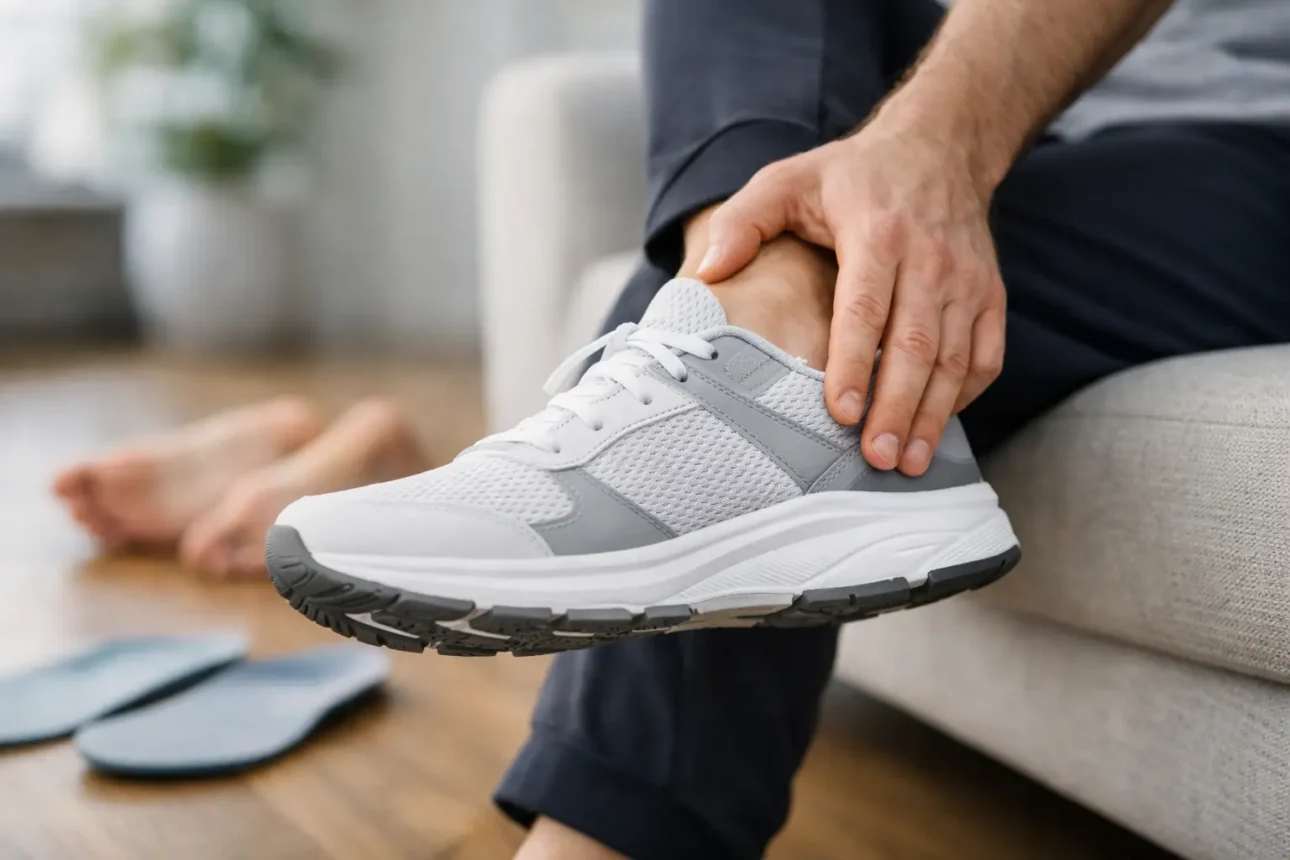
Foot pain changes how you move fast. A shoe that looks great on the shelf can feel brutal after a long shift, a city walk, or a few miles on the pavement. That is why finding the best shoes for foot pain is less about hype and more about support, fit, and how the shoe works with your body.
The good news is you do not need to guess. The right pair can take pressure off sore spots, improve stability, and make everyday movement feel smoother. Whether your pain shows up in the heel, arch, forefoot, or all over, certain shoe features consistently make a real difference.
Start with the basics. Most painful shoes fail for one of three reasons: they do not support the foot well, they create pressure in the wrong places, or they simply do not fit the shape of your foot. Branding matters, but the build matters more.
A good shoe for foot pain usually has enough cushioning to soften impact without feeling mushy. It should hold the heel securely, flex in the right place, and give your toes room to spread naturally. If the midfoot feels unstable or the forefoot feels cramped, small problems can turn into daily pain fast.
This is where trade-offs come in. Max cushioning can feel amazing for heel pain and long days on hard floors, but some people find ultra-soft shoes less stable. A firmer ride may feel better if you deal with arch fatigue or need more control through your stride. There is no one-size-fits-all winner. The best choice depends on where the pain is and how you use the shoe.
Heel pain often responds well to shoes with soft but structured cushioning, a secure heel counter, and a slightly rockered shape that helps you roll forward without pounding the heel. Many walkers and runners gravitate toward Hoka, Brooks, and Asics for exactly this reason.
Arch pain usually needs a more balanced setup. Too flat can leave the foot working overtime. Too aggressive can feel intrusive. Brands like New Balance, Brooks, and Asics often offer models with a stable platform and supportive midsoles that feel reliable without being stiff.
Forefoot pain is different. Here, toe box shape matters a lot. If your toes are squeezed together, every step can get worse as the day goes on. Softer forefoot cushioning helps, but space is just as important. Some New Balance and Adidas models work well for shoppers who need a little more room up front.
General all-day soreness is often a sign that your current shoes are bottoming out, too narrow, or not supportive enough for your routine. If you are on your feet for work, walking for exercise, or standing for hours, look for comfort-driven performance shoes rather than flat lifestyle pairs with minimal structure.
Cushioning gets the attention, but it is not the whole story. The midsole should absorb impact and still keep the foot aligned through each step. This is why premium running and walking shoes often feel better than casual sneakers when pain is part of the picture.
Support matters just as much. A stable base can reduce side-to-side wobble and stop the foot from collapsing inward too much. That does not mean everyone needs a heavy motion-control shoe. It means the platform should feel planted, especially through the heel and midfoot.
Fit is non-negotiable. If a shoe is too short, too narrow, or too loose in the heel, even advanced cushioning will not save it. Try shoes later in the day if possible, when feet are slightly more swollen, and leave enough room in front of the longest toe. Lockdown through the midfoot should feel secure, not tight.
Weight also plays a role. Lighter shoes can feel easier and faster, especially for walking or running, but very lightweight models sometimes strip away the structure that sore feet need. If comfort is the priority, do not chase the lightest option automatically.
Different brands tend to shine in different ways, and that helps narrow the field quickly.
Hoka is a go-to for shoppers who want high-stack cushioning and a smooth, rolling ride. Many people with heel soreness, fatigue from standing, or impact sensitivity like the soft landing and easy transitions. The trade-off is that some models feel bulkier than traditional sneakers.
Brooks is strong for balanced comfort. The brand often lands in the sweet spot between plush and stable, which is ideal for walkers, runners, and anyone who wants support without an oversized look. If your pain comes from long hours on your feet, Brooks is usually a smart place to start.
Asics has a reputation for dependable stability and shock absorption. Many of its comfort and running models feel secure through the arch and heel, which can be useful for shoppers who want a more guided ride.
New Balance stands out for fit variety and everyday comfort. If you struggle with narrow shoes or need more room in the toe area, this brand is worth serious attention. It also covers both performance and casual comfort well, so it is easy to find something that works for walking, commuting, or all-day wear.
On brings a firmer, responsive feel that some shoppers love. If you want a sleek look with modern comfort and do not want an overly soft underfoot experience, it can be a strong option. For some people with sensitive feet, though, firmer setups can feel less forgiving than max-cushioned alternatives.
Nike and Adidas both offer stylish, wearable options that can still deliver real comfort, especially in performance-led lines. If style matters as much as support, they are strong choices, but model selection matters. Not every fashion-forward silhouette is built for all-day relief.
Puma has comfort-driven athletic options that work well for casual wear and light activity. If your pain is mild and you want an affordable branded sneaker with decent cushion, there are solid picks here too.
Think about where the pain shows up, then think about your day. The best running shoe is not always the best work shoe, and the best lifestyle sneaker is rarely the best option for eight hours on hard floors.
If you walk a lot, prioritize cushioning, a rocker shape, and a stable base. If you stand for long stretches, look for underfoot comfort plus heel support so the shoe still feels good after several hours. If you run, focus on fit and ride first. A shoe can test well online and still be wrong for your stride.
Also be honest about your pace and body mechanics. A neutral shoe works well for many people, but if you notice your feet rolling inward heavily or your ankles feeling unstable, a more supportive model may feel better. This is one of those areas where it depends. More support is not automatically better, but the right amount can be a game changer.
A lot of people keep wearing worn-out shoes because they still look fine. The problem is that midsoles break down before the upper shows obvious damage. If your favorite pair suddenly feels flat, uneven, or less protective, it probably is.
Another mistake is choosing based only on softness. Soft foam feels great in the first few steps, but if the platform is unstable, your feet may work harder over time. Comfort should feel good at step one and step five thousand.
Sizing is another big one. Swollen feet, thick socks, and everyday movement all change how a shoe fits in real life. If the fit is borderline in the store, it will not improve later.
Finally, do not ignore socks and insoles. Sometimes a better shoe solves the problem completely. Other times, a quality insole or a more cushioned sock helps fine-tune the fit and pressure distribution.
Some casual sneakers are comfortable enough for errands, commuting, and light daily wear. If your foot pain is minor and your activity level is low, that may be all you need. But if you are logging serious steps, working long shifts, or dealing with persistent pain, performance comfort usually wins.
That is where a multi-brand lineup helps. You can compare a sleek everyday pair against a walking shoe, a cushioned runner, or a support-focused model without locking yourself into one brand approach. At SneakerPrime, that kind of choice is the point – more brands, more comfort profiles, more ways to find a pair that actually works.
Shop with your pain point in mind, not just your usual size or favorite logo. Read the shape of the shoe. Look at the stack height, the heel structure, and the width through the forefoot. If a shoe checks the boxes for your routine and feels right underfoot, you are much closer to real relief than if you simply buy whatever is trending.
The best shoes for foot pain do not need to look clinical or boring. Right now, some of the strongest options combine clean style, modern cushioning, and serious comfort tech. That means you can get support without giving up the look you want.
A better pair will not fix every foot issue, but it can make every day easier. Start with fit, stay honest about how you move, and choose the shoe that supports the life you actually live.