Cart
No products in the cart.
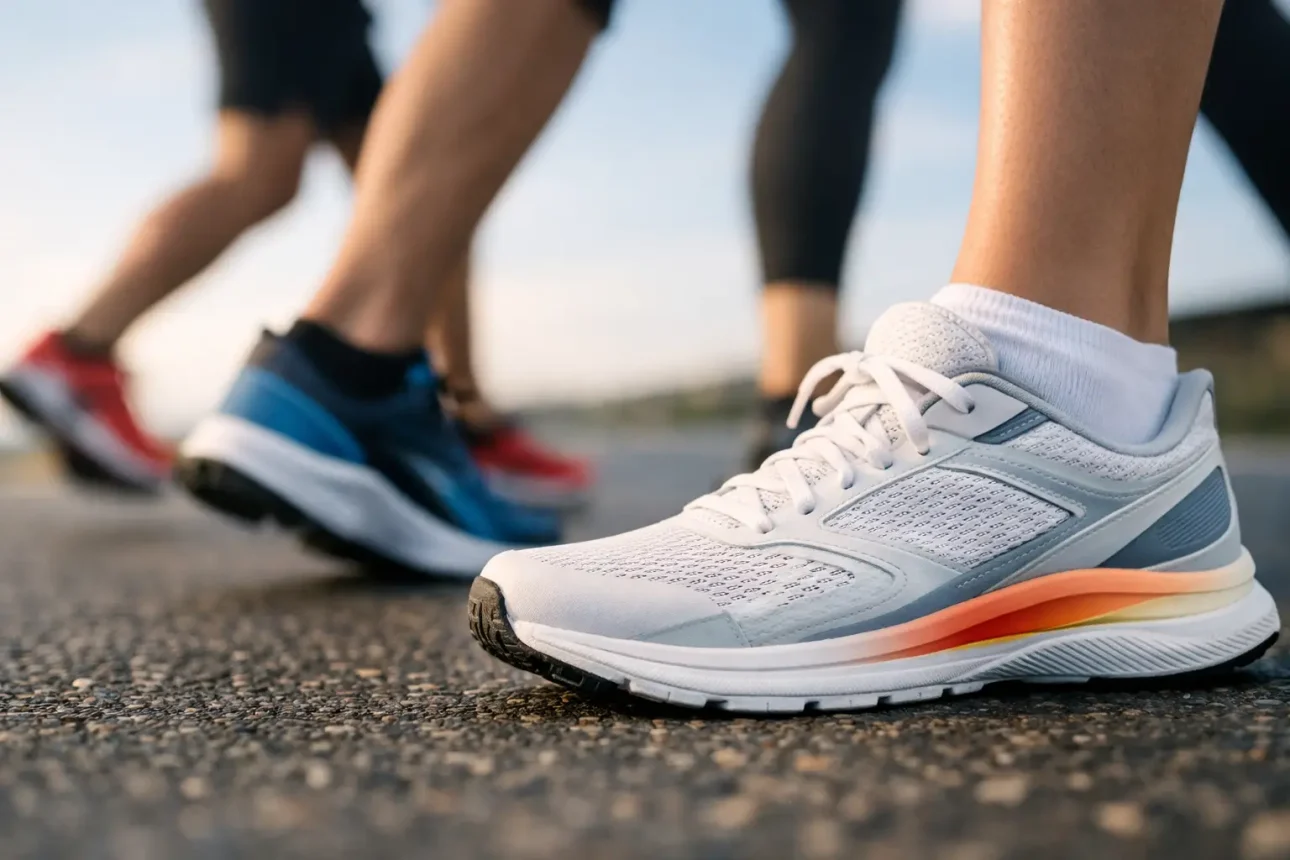
That first half mile tells you everything. Some shoes feel smooth right away. Some feel dead, stiff, or weirdly slappy. And when you’re trying to sort through the top road running shoes, that’s what actually matters – not a wall of tech terms, but how they feel once your legs get moving.
We don’t think there’s one perfect road shoe for everyone. That’s the fastest way to buy the wrong pair. Some runners want soft and protective. Some want light and snappy. Some just want a daily trainer that doesn’t beat up their feet or look terrible with joggers after the run. So instead of pretending one model does it all, we’re calling out the shoes that are actually good at specific jobs.
For us, it comes down to four things. First, the ride has to make sense. A shoe should feel stable enough for daily miles, or fast enough for workouts, or soft enough for long runs. Not confused. Second, the fit can’t fight your foot. Third, the outsole needs to hold up on real roads, not just on a clean product page. And fourth, the price has to line up with what you’re getting.
A lot of road shoes are decent now. That’s the truth. The difference is in how focused they feel. The best ones know what they are.
If you want max cushion without feeling like you’re running on a mattress, this is one of our favorites. The Nimbus 26 is soft, but not sloppy. It has that protective feel that makes easy miles less annoying, especially when your legs are cooked.
We like it for runners who want comfort first and pace second. It isn’t a speed shoe. Don’t force it into that role. But for daily training, recovery runs, and long easy miles, it does its job really well.
The Ghost stays popular because Brooks rarely gets cute with it. This shoe is simple, balanced, and easy to trust. No strange geometry. No aggressive rocker. Just a smooth ride that works for a lot of people.
If you’re newer to running or you just want a road shoe that feels familiar on day one, the Ghost 16 makes a lot of sense. It’s not the most exciting pick here. We know that. But boring can be good when boring means reliable.
This one feels plush in a more relaxed way than the Nimbus. The upper is soft, the cushioning is easy on the legs, and the whole shoe has a mellow feel that suits everyday running. It’s the kind of shoe you throw on when you don’t want to think too much.
That said, not everyone loves the softer platform. If you like a firmer, more planted ride, this might feel a little too laid-back. We still rate it highly because for a lot of runners, especially those doing easy road mileage, it feels smooth and forgiving.
The Clifton has been a go-to for years because it gives you that cushioned Hoka feel without getting too bulky. The Clifton 9 isn’t flashy, but it rolls nicely and keeps long miles comfortable. It also works well for runners who want something lighter than a true max-cushion shoe.
Our honest take? It’s better for steady, easy mileage than hard efforts. The fit can also feel a bit narrow for some people. But if your long runs are more about comfort and rhythm than speed, this is still a strong pick.
This is one of those shoes that looks a little wild and then wins people over once they run in it. The Cloudmonster has a big, bouncy feel. Not marshmallow soft. More like a springy platform that keeps you moving forward.
We like it for runners who are tired of dull daily trainers and want something with more personality underfoot. The trade-off is that the ride feels more distinct. Some people love that. Some don’t. If you want subtle, skip it. If you want fun, it’s a real contender.
Nike gets a lot of attention for its fast shoes, but the Vomero 17 deserves more credit. It feels cushioned, stable enough for everyday use, and less fussy than some of Nike’s racier models. For long road miles, that’s a good thing.
We’d pick this over trendier options if your main goal is stacking comfortable training miles. It doesn’t scream for attention. It just works.
If you want one shoe for tempo runs, faster training, and the occasional race, this is one of the smartest buys out there. It feels quick without being harsh, and the ride has enough pop to make faster paces feel easier to hold.
This is also one of the few speed-focused shoes that doesn’t feel too demanding on tired legs. That’s why we keep coming back to it. It’s fast, but still usable. For most runners, that’s better than buying a super aggressive race shoe they barely wear.
The Boston 12 is not a soft cruiser. Let’s be clear about that. It has a firmer, more driven feel that rewards runners who like turnover and structure. Once you get it up to pace, it starts to make more sense.
We like this one for runners who think some modern shoes feel too mushy. The downside is obvious – if you want plush comfort at slow speeds, this probably won’t charm you. But for workouts and uptempo long runs, it’s a strong shoe.
The Zoom Fly line has had its ups and downs, but when Nike gets this category right, it gives runners a solid bridge between daily trainer and race shoe. Think of it as your practice fast shoe. Lighter than a standard trainer, less extreme than an all-out racer.
This kind of shoe isn’t for everyone, but if you’re building toward races and want something that makes workouts feel special without going full carbon race day mode, it earns a look.
Let’s not pretend price doesn’t matter here. It does. The Alphafly 3 is expensive. But if we’re talking pure race-day performance, this is one of the sharpest tools out there. It feels propulsive, efficient, and built for speed over long distances.
The catch is simple. Most runners do not need this for daily use. And some runners hate unstable-feeling super shoes. If you love a grounded, traditional ride, this may feel too dramatic. But if you’re chasing times, this is one of the best weapons available.
This is a serious shoe for serious fast days. It feels lighter and more natural than some race shoes that seem to do all the work for you. We like that. It still gives you that race-day snap, but with a smoother transition that many runners find easier to handle.
If the Alphafly feels too weird or too much, this is a very smart alternative. Fast, efficient, and less chaotic underfoot.
Not every good road shoe needs to cost a fortune. The Velocity Nitro 3 is one of the easiest value picks right now because it handles daily training better than a lot of pricier shoes. It’s comfortable, versatile, and doesn’t feel cheap on the run.
We wouldn’t call it the most exciting shoe in the bunch, but that’s missing the point. It’s the kind of pair that quietly becomes your regular grab-and-go option. For a lot of runners, that’s money well spent.
Start with the run you do most. Not the run you wish you did. If most of your miles are easy, buy for comfort and consistency. If you already have a daily trainer and need something for workouts, then go faster and lighter.
Also, be honest about fit. Brand loyalty is nice until your toes are crammed into a shape that clearly doesn’t suit you. ASICS, Brooks, Hoka, Nike, New Balance, On, Adidas, and Puma all make good road shoes, but they don’t fit the same and they definitely don’t feel the same.
One more thing. Don’t buy a max-cushion shoe just because soft sounds nice. Too soft can feel unstable. Don’t buy a race shoe because social media loves it. A lot of people spend big on speed shoes and then realize they hate the ride. The best pick is the one you’ll actually want to wear three times a week.
At SneakerPrime, we think the sweet spot for most runners is pretty simple: one dependable daily trainer, then something faster only if your training calls for it. Keep it honest. Your feet usually know before your brain catches up.