Cart
No products in the cart.
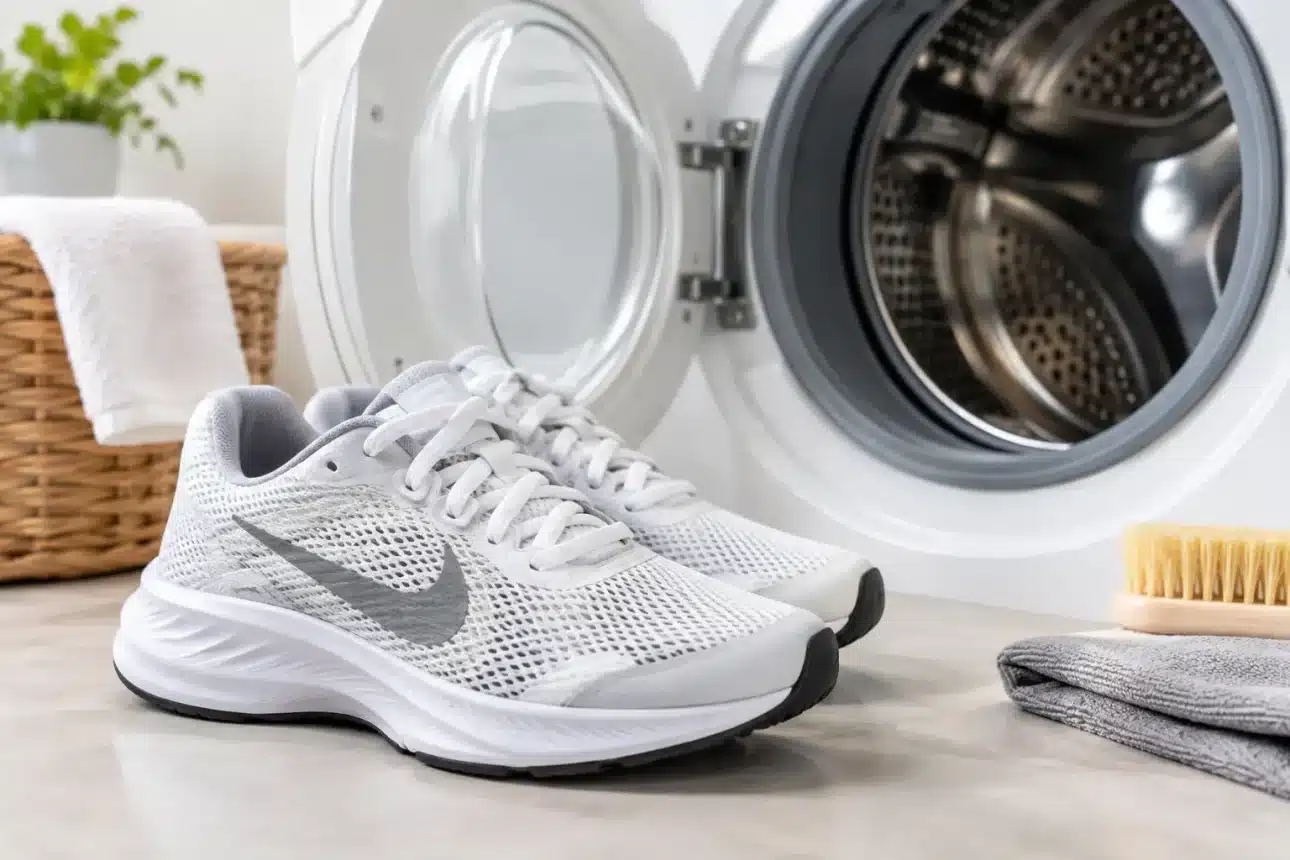
Mud on the midsole is annoying. A mystery smell after a wet commute is worse. So, can sneakers go in the washing machine? Sometimes. But treating every pair like a load of gym socks is a fast way to ruin shoes you actually liked wearing.
Our honest take: machine washing is fine for some casual sneakers when they are truly dirty and made from washable materials. It is a bad idea for most performance running shoes, leather pairs, suede, and anything with glued-on details you do not want peeling off next month. A little patience beats replacing a pair that had plenty of life left.
The shoe matters more than the dirt. Canvas sneakers and simple fabric uppers are the best candidates. Think basic textile trainers with rubber soles and no delicate overlays. These can usually handle a gentle wash if you do it carefully.
Mesh athletic shoes are more complicated. A light wash may clean the upper, but repeated machine cycles can weaken the glue, distort foam, and make the cushioning feel flatter. That soft, springy feeling underfoot comes from foam that does not love heat, soaking, or being thrown against a metal drum.
We would skip the machine entirely for leather, suede, nubuck, wool, satin, velvet, or shoes with lots of synthetic leather panels. Leather can dry stiff, crack, or lose its shape. Suede can come out looking patchy and rough. White leather sneakers may look tough, but they are not dishwasher-proof armor.
Also skip it for trail runners with packed-in mud, shoes with visible sole separation, vintage pairs, and anything expensive enough that you would be annoyed to lose it. If the outsole is peeling already, water and tumbling will not help. It may turn a small repair into a dead pair.
Brands often put washing guidance on the inside tag, box, or product page. If the label says hand wash only, believe it. We know that feels overly cautious when the shoe is filthy, but the manufacturer knows which glues, dyes, and foams are in that model.
If there is no clear guidance, use the material test. Fabric upper and rubber sole? A gentle machine wash can be reasonable. Leather, suede, structured foam, or delicate decoration? Hand clean it.
The biggest risk is not usually the water. It is heat and impact. Hot water can loosen adhesive. A dryer can warp midsoles, shrink fabric, and make rubber brittle over time. The drum can bang the shoes around hard enough to bend heel counters or chip decorative parts.
Performance shoes deserve extra care. Running models from brands like Brooks, Hoka, On, Asics, and New Balance often use layered foam and shaped uppers designed to hold your foot in place. That structure is part of why the shoe feels good on mile five or during a long day on your feet. Machine washing can shorten its life, especially if you do it often.
That does not mean one careful cold cycle will instantly destroy every running shoe. It means the trade-off is real. If you bought a pair for running, we would clean it by hand and save the washer for old fabric sneakers that are more about errands than miles.
If your pair passes the material check, do not just throw it in with towels and hope for the best. A few small steps make a huge difference.
First, remove the laces and insoles. Laces can go in a small mesh bag or pillowcase. Insoles should be cleaned separately by hand with mild soap and cool water. They trap most of the odor, and they can lose their shape in a wash.
Brush off dry dirt, gravel, and loose mud before the shoes go near the machine. Use an old toothbrush or soft shoe brush around the tread and seams. This keeps chunks of dirt out of your washer and gives the detergent a chance to deal with actual stains instead of a layer of mud.
Put each shoe in a mesh laundry bag or pillowcase, then add two or three old towels. The towels soften the impact and stop the shoes from slamming around like loose bricks. Tie a pillowcase closed securely, but do not pack it so tightly that water cannot move through it.
Use a small amount of liquid detergent. Powder can leave residue in mesh, and bleach is not worth the gamble. It can yellow white fabric, damage color, and weaken materials. If the shoes smell bad, a little baking soda applied before washing can help, but do not turn the drum into a home chemistry experiment.
Choose cold water, a gentle cycle, and low spin if your machine allows it. Cold water protects color and glue better than warm or hot water. A short cycle is enough. Sneakers do not need a deep-clean setting designed for dirty work clothes.
When the cycle ends, reshape the shoes with clean paper or a small towel. Do not use newspaper if the interior is light colored, because ink can transfer when wet. Then let them air dry in a warm, ventilated room. Keep them away from radiators, direct heat, and the dryer.
Expect drying to take a full day or two. That is normal. Wearing damp sneakers is a bad deal for your feet and makes odor return fast.
Hand washing takes maybe 15 minutes of effort, and it is what we recommend for most sneakers. It gives you control. You can clean the dirty parts without soaking the parts that do not need it.
Start with a bowl of cool water, a few drops of mild detergent, and a soft brush or cloth. Clean the upper gently in small sections. For knit or mesh, press and lift rather than scrubbing hard. Aggressive brushing can fuzz the fabric and make a clean shoe look old.
Use a toothbrush on the midsole and outsole. This is where most visible grime lives, especially on white shoes. A paste of baking soda and water can help on plain white rubber, but test a small spot first and keep it off colored fabric. For stubborn marks, a sneaker-cleaning foam or mild dish soap often does the job without drama.
Leather needs less water, not more. Wipe it with a damp cloth, use a cleaner made for leather if needed, and let it dry naturally. Suede needs a suede brush and patience. If you soak suede, you may get the stain out and create a bigger one around it.
Not every time they get a mark. That is how shoes age before their time. Spot clean spills and scuffs as they happen, then do a deeper clean when dirt is noticeable, odor will not air out, or the upper looks dull.
For everyday lifestyle sneakers, that might be every few months. For gym shoes, wipe them down regularly and let them dry between uses. For running shoes, brush off dirt after wet runs and hand clean only when needed. If they are soaked in rain, pull out the insoles, stuff them with paper, and let them dry slowly.
Odor is often an airflow problem, not a sign that the whole shoe needs a wash. Never leave sweaty sneakers zipped in a gym bag or piled under other shoes. Give them a night to breathe. That boring habit works better than constantly washing them.
Canvas and plain fabric are usually the safest machine-wash choices. Synthetic mesh can survive an occasional gentle cycle, but we still prefer hand washing for shoes you train in. Synthetic leather should be wiped clean, not soaked. Real leather and suede stay out of the machine, full stop.
Foam clogs, slides, and molded EVA shoes are easy to rinse by hand with soap and water. Do not leave them in direct sun or a hot car afterward. Heat can bend them out of shape, and nobody wants a sandal that looks like it gave up.
For most pairs, clean the surface, protect the materials, and let time do the drying. Your sneakers do not need a dramatic rescue. They need the right kind of care for the job they actually do.