Cart
No products in the cart.

A pair of white sneakers can go from fresh to rough-looking in one bad walk. Mud happens. Spilled coffee happens. So, can you wash sneakers? Usually, yes. But throwing every pair into a washing machine is how people turn perfectly good shoes into warped, squeaky regrets.
We’re going to take a side here: hand-washing is the smart default. It takes a little longer, but it protects the shape, glue, cushioning, and finish that made you buy the shoes in the first place. Machine washing has a place, but it is not the lazy miracle people make it out to be.
Some sneakers can handle a machine wash. Most mesh, canvas, and simple fabric lifestyle shoes are the best candidates. Think lightweight knit or textile uppers with standard rubber soles. If they are already worn-in and you are trying to get a few more clean wears out of them, a careful machine wash can be reasonable.
But we would skip the machine for expensive pairs, leather panels, suede, nubuck, trail shoes loaded with mud, or running shoes you rely on for regular miles. Heat, water, and tumbling can weaken adhesive over time. It can also flatten or distort foam. That chunky cushioned midsole might still look fine afterward, but feel slightly off underfoot. Not every change is obvious on wash day.
Shoes with glued-on overlays, reflective details, printed graphics, or mixed materials are also a gamble. A washing machine does not know the difference between durable mesh and a delicate synthetic trim. It just spins.
If the care label says not to machine wash, believe it. Brands put that there for a reason, even if it is less exciting than a viral cleaning hack.
For most pairs, this is the method we recommend. You do not need fancy products. A soft brush, an old toothbrush, a microfiber cloth, mild laundry detergent or sneaker cleaner, and lukewarm water will do the job.
Start by taking out the laces and insoles. This is not optional if you want the shoes to dry properly. Laces hold grime like they are paid to do it, and insoles can trap sweat and odor underneath. Wash the laces separately in a small bowl of soapy water. Wipe insoles with a lightly damp cloth and a tiny bit of mild soap. Do not soak them unless they are basic foam inserts and you are happy to risk a slower dry time.
Brush off dry dirt first. Mud is much easier to remove when it is dry. Then mix a small amount of detergent into lukewarm water. We mean small. Too much soap creates residue, and residue can make fabric feel stiff or pull in more dirt later.
Dip the brush into the solution, tap off excess water, and work in small sections. The upper gets the softest touch. The midsole and rubber outsole can take more pressure. For stubborn scuffs on white rubber, a sneaker-cleaning foam or a gentle paste made for the job is better than attacking it with harsh chemicals.
Use a clean damp cloth to lift away the soap. Keep repeating until the cloth comes away mostly clean. Then pat the shoe dry with a towel. You are cleaning the surface, not giving the sneaker a bath.
Material matters more than the logo on the side. A cleaning method that works beautifully on a canvas shoe can wreck suede in minutes.
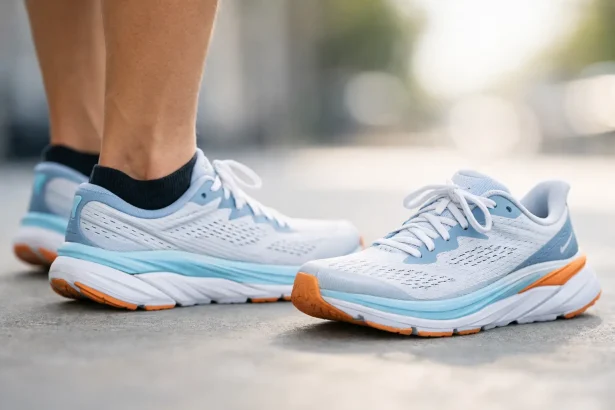
Mesh is common on running shoes and everyday comfort pairs because it keeps the upper light and breathable. It also picks up dirt fast. Use a soft brush and very little water. Scrubbing hard can rough up the fibers, especially on thin engineered mesh.
For knit uppers, use a cloth or very soft brush with diluted cleaner. Work gently and avoid saturating the material. Knit can stretch or lose its neat texture if you soak it and then handle it aggressively.
Canvas is usually one of the easier materials to clean. A soft brush, mild soap, and lukewarm water are generally enough. It can tolerate more moisture than leather or suede, but do not confuse that with being indestructible. Bright canvas colors can fade, and white canvas can dry with yellowish water marks if it is rinsed poorly.
Do not soak leather sneakers. Ever. Wipe them with a damp cloth, then use a small amount of leather-safe cleaner or mild soapy water on the cloth. Focus on marks, not the whole shoe. Dry them immediately with a clean towel.
Synthetic leather is a little less fussy, but it can still crack or peel if you use bleach, alcohol-heavy cleaners, or direct heat. If your white leather sneaker has a deep stain, patience beats force. A spotless shoe with a damaged finish is not a win.
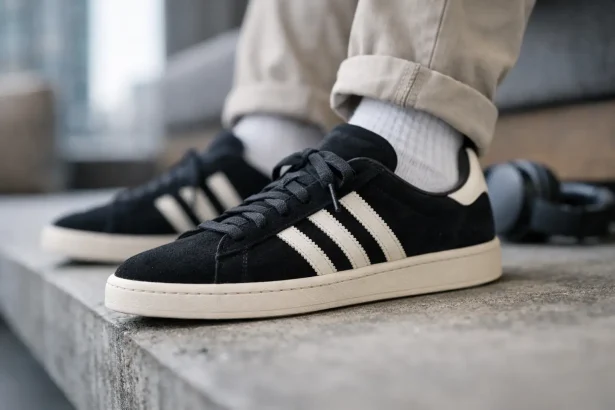
Keep water away from suede and nubuck whenever possible. These materials have a soft, brushed surface, and water can leave dark patches or make the texture go flat. Use a suede brush after the shoe is dry to lift dirt. A suede eraser can help with isolated scuffs.
If a stain is oily or set deep into the material, we would seriously consider a professional cleaner. Suede looks excellent when it is clean. It also looks terrible when someone has tried to “fix” it with dish soap and determination.
We are not going to pretend nobody does it. If you choose the machine, reduce the risk as much as possible.
Remove the laces and insoles first. Put the shoes in a mesh laundry bag or pillowcase, then add a couple of old towels to balance the load and soften the banging. Select cold water, a delicate cycle, and a small amount of mild detergent. No bleach. No fabric softener. No hot water.
Never put sneakers in the dryer. The dryer is worse than the washer because heat can shrink fabric, warp foam, and weaken glue. Even durable-looking shoes can come out looking slightly twisted. That is a hard look to unsee.
Once the cycle ends, reshape the shoes with clean paper towels or plain paper. Skip newspaper if you have light-colored interiors, because ink can transfer. Replace the paper when it gets damp and let the pair air-dry in a ventilated spot away from radiators, direct sun, and hair dryers.
A bad smell does not always mean the entire shoe needs washing. Often, the problem is the insole and the moisture trapped inside after wear. Take out the insoles, let both parts dry fully, and clean the inside with a lightly damp cloth. A light sprinkle of baking soda left overnight can help absorb odor. Shake it out thoroughly before wearing them again.
For shoes you train in often, prevention is less annoying than repeated deep cleaning. Alternate pairs when you can. Loosen the laces and open the tongue after a workout instead of leaving the shoes crumpled in a gym bag. Your sneakers need air. So do your feet.
The worst cleaning advice is usually the stuff that promises instant results. Bleach can yellow white fabric and weaken fibers. Dishwasher tablets are far too harsh. Toothpaste is messy, inconsistent, and not a proper cleaner. And soaking shoes overnight is rarely necessary.
We would also avoid scraping soles with metal tools. Yes, that pebble may be wedged in there. No, a screwdriver is not the answer. Use a wooden stick or plastic tool instead.
Finally, do not clean only when the shoes look beyond saving. A quick wipe after a wet or dusty day takes two minutes. Waiting until dirt has settled into the fabric turns a simple job into a Saturday project.
A clean pair does not have to look factory-new. A little wear gives sneakers character. But dirt, salt marks, and a sour smell are not character. Treat your shoes gently, let them dry properly, and they will keep looking like a pair you actually want to wear.