Cart
No products in the cart.
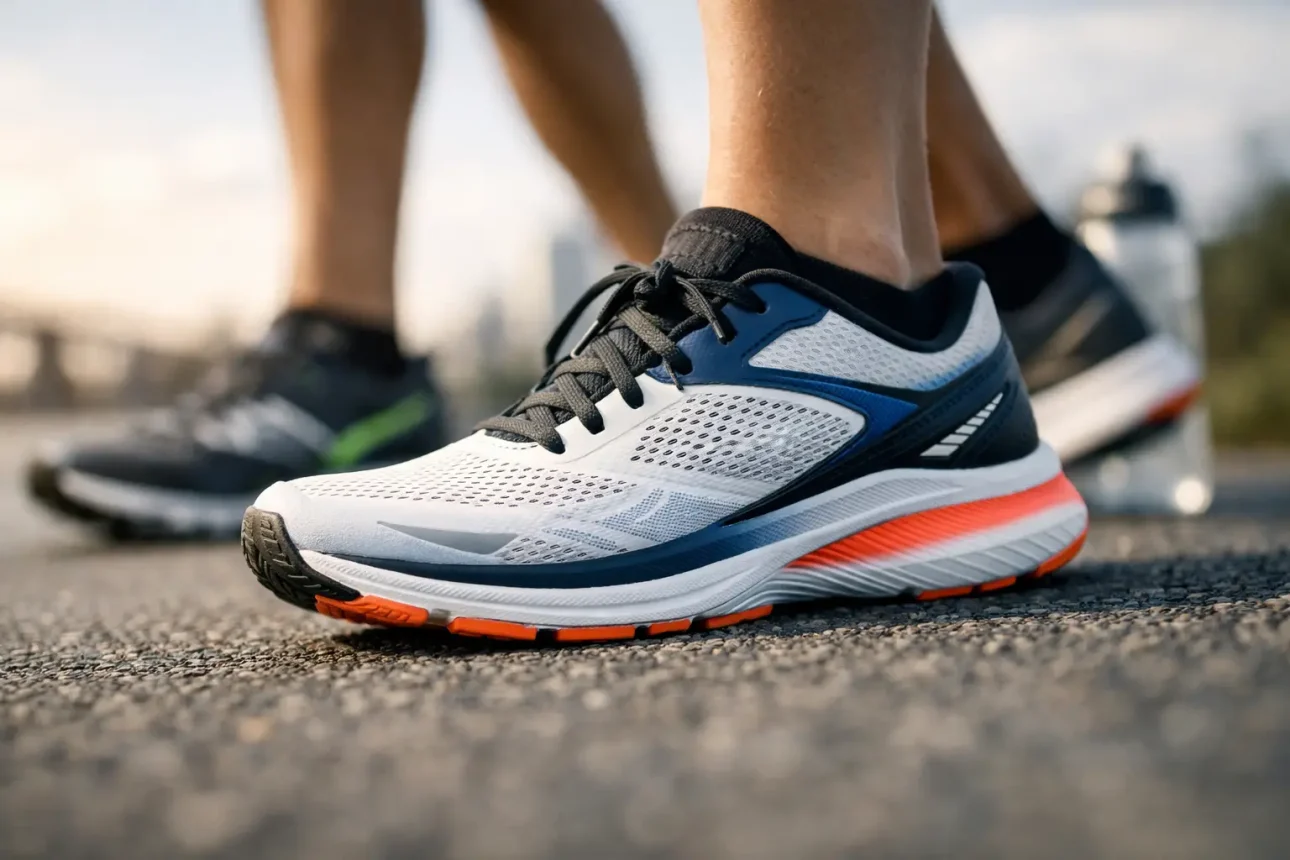
A running shoe does not need to cost $200 to feel good at mile four. Frankly, plenty of expensive pairs feel fast for five minutes, then leave your calves wondering what happened. The best running shoes under 150 are the ones that match how you actually run: easy neighborhood miles, treadmill sessions, a first 5K, or the occasional long run when motivation shows up.
We would not spend your money on a stripped-down racing shoe for daily training. Most runners need cushioning that stays comfortable, a secure upper, and enough outsole grip to survive wet sidewalks. Here are the pairs we would seriously consider, with prices that typically sit at $150 or less. Sales and colorways can move the number around, so always check before you buy.
The Pegasus is not exciting in the flashy, social-media way. That is exactly why we like it. It is the dependable sneaker you grab when you do not want to think about your shoes before heading out the door.
The Pegasus 41 has a moderately cushioned feel. Not marshmallow-soft, not hard and slappy. It handles easy runs well, has enough bounce for a few quicker miles, and does not look out of place with jeans afterward. If you want one shoe for running, walking, travel, and gym warmups, this is a safe bet.
The trade-off is fit. Nike can feel a little narrow through the forefoot, especially if your toes like room to spread. Wide-footed runners should try the wide version or look at New Balance and Brooks first.
The Ghost 16 is for people who want their shoes to stop being a topic. Put it on, run, walk, stand around all day, repeat. It has a smooth, predictable ride that makes it especially good for beginners and anyone building mileage slowly.
We like the Ghost because it does not force your stride into anything weird. The cushioning takes the edge off pavement without feeling squishy. It is also one of the better options here if you use your running shoes for long shifts, errands, or travel days.
It is not a speed shoe. Trying to make it one is like taking a comfortable sedan to a track day. You can do it, but that is not the point. For calm, consistent training, it is hard to argue with.
The Gel-Cumulus 26 is a strong choice if you like a softer landing but do not want your foot sinking into foam. It feels protective underfoot, especially on longer easy runs, while staying stable enough for newer runners who are still figuring out their stride.
The upper feels secure without being overly tight, and the outsole has the kind of grip that makes rainy-day runs less annoying. We would choose it over a fashion-first sneaker every time for someone who wants to start running regularly.
One honest warning: it is built for comfort, not quick turnover. If every run is short and fast, the Ride 17 or Velocity Nitro 3 may feel livelier.
The Saucony Ride 17 sits in a sweet spot. It is cushioned enough for daily training, but it does not feel sleepy. The foam has a firmer, springier character than the Ghost or Gel-Cumulus, which makes it a good pick for runners who mix relaxed miles with occasional tempo work.
We like this shoe for the runner who owns only one pair but gets bored doing everything slowly. It rolls forward nicely and feels lighter on foot than some plush daily trainers.
The fit can feel more fitted through the midfoot than a Brooks. That is good if you hate your heel sliding around. It is less good if you prefer a roomy, relaxed upper.
Some shoes claim to be versatile, then pinch your toes by lunchtime. The 880v14 is better than that. It has a balanced ride, durable build, and wide-width options that make a real difference for runners who need more space.
It is not the softest shoe in this group, but it has enough padding for daily runs and plenty of support for walking. The shape feels stable rather than narrow and perched. That matters if your feet swell on longer outings or you simply hate a cramped toe box.
Our take: if you have wider feet, start here before trying to squeeze into a standard Nike. Your toes will be happier, and that is not a small thing.
The Supernova Rise is a sensible daily trainer with more cushioning than its clean look suggests. The ride is smooth and easy, with a stable platform that helps when your form gets sloppy late in a run. We like it for beginner runners, recovery days, and anyone who wants a shoe that feels calm rather than aggressive.
It is also a solid option for gym-goers who run a few miles before lifting. The base is stable enough for basic strength work, although we still would not use any thick running shoe for heavy barbell squats.
It can feel a little warm if you run in serious summer heat. For most people, though, that is a smaller issue than buying a shoe that is too thin and unforgiving.
Puma is still underrated in running, and the Velocity Nitro 3 is one reason why. It feels responsive without costing race-shoe money, and its outsole grip is genuinely excellent. Wet pavement, park paths, slick crosswalk paint – it handles all of it better than many bigger-name competitors.
The ride is firmer than the Ghost, Cumulus, or Supernova Rise. We think that is a plus for runners who want ground feel and a little snap. If you want a shoe that feels like a soft couch underfoot, skip it. If you want durable daily mileage with real traction, it deserves your attention.
The Clifton 9 is often available below $150, especially in older colors. When it is, it is a very good buy for runners who want a light, cushioned shoe for easy days and longer runs. It has that distinct Hoka feeling: plenty of foam without feeling like you are dragging around a heavy platform.
We love the Clifton for runners whose legs feel beaten up by hard pavement. But it is not for everyone. The high stack can feel less stable on sharp turns, and the fit may be too narrow for some feet. Buy it for cruising, not for technical trails or heavy gym sessions.
Start with the job your shoe needs to do most often. For walking, easy runs, and all-day wear, choose the Brooks Ghost 16, ASICS Gel-Cumulus 26, Adidas Supernova Rise, or New Balance 880v14. For a more energetic feel, look at the Saucony Ride 17 or Puma Velocity Nitro 3. If soft cushioning is your main priority, hunt for a Clifton 9 at the right price.
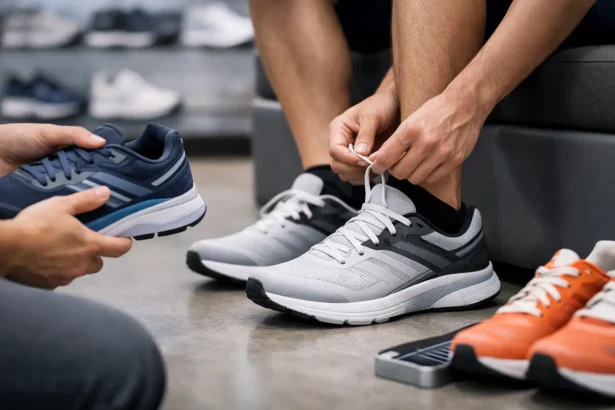
Then pay attention to fit. Your running shoes should have roughly a thumb’s width of space in front of your longest toe. Your heel should stay put when you walk and jog. A shoe that feels fine while standing can feel awful after three miles, so do not ignore pressure around the little toe, arch, or top of the foot.
Do not buy a stability shoe just because somebody says you overpronate, either. That word simply means your foot rolls inward as it lands, and some inward roll is normal. If you have recurring pain or an injury concern, talk with a qualified clinician. For most runners, a comfortable neutral daily trainer is the right place to start.
We would skip stiff, flat lifestyle sneakers for regular running. They might look clean with cargo pants, but your feet know the difference after a few miles. We would also skip heavily discounted race shoes unless you know exactly what you want. A carbon plate can feel fun, but it is not necessary for daily training and often wears out faster than a dependable trainer.
Finally, do not chase a brand logo. Nike, ASICS, Brooks, New Balance, Adidas, Saucony, Hoka, and Puma all make good options. The right pair is the one you forget about while running.
At SneakerPrime, we think that is the whole point: spend less time researching foam names and more time finding a shoe that makes you want to head back out tomorrow.