Cart
No products in the cart.

The Nike Pegasus has been around long enough to outlive plenty of running trends, and that matters. A shoe does not stick around for decades by being flashy. Our Nike Pegasus review comes down to a simple take: this is still one of the safest daily running shoe choices out there, but it is not the softest, lightest, or most exciting option on the wall.
That is not a knock. Most runners do not need a shoe that feels dramatic. They need something they can grab for an easy three miles on Tuesday, a longer run on Saturday, and a grocery run afterward without thinking twice. The Pegasus does that job well. It is the reliable sneaker in your rotation, not the one that makes you stare at it in the box.
The first thing we notice with a Pegasus is balance. Nike does not make this shoe feel like a giant foam mattress. The cushioning is protective, but it stays controlled under your foot. You get enough softness to take the sting out of pavement, yet the ride still feels stable when your legs get tired.
That makes the Pegasus especially good for everyday running. Easy miles feel smooth. Steady runs feel natural. If you are building mileage or getting back into running, that predictable feel is a real advantage. Your feet are not fighting a wildly soft platform or a shoe that tips you forward too aggressively.
The trade-off is obvious if you have worn very plush shoes from Hoka, New Balance, or On. The Pegasus may feel firmer at first. Some runners love that because they can feel where their foot is landing. Others want more bounce and more cushioning under the heel. Neither camp is wrong. It depends on whether you want your daily trainer to disappear underfoot or give you a little feedback.
Nike’s Air units add some pop, especially when you pick up the pace, but do not expect a trampoline. The sensation is more like a firm spring than a soft bounce. We like it for runners who want one shoe to handle a lot of normal training without feeling mushy.
The Pegasus usually has a secure, traditional running-shoe fit. Your heel is held in place, the midfoot feels locked down, and the upper wraps your foot rather than floating around it. For runners with average-width feet, that is usually a good thing. It feels ready to run straight out of the box.
For wide feet, though, this is where you need to pay attention. Standard Pegasus models can feel narrow through the forefoot, particularly if your feet swell during longer runs. If you often loosen your laces halfway through a run or get pressure around your little toes, look for a wide version where available. Do not buy your normal size and hope the upper will magically stretch into a wide shoe. That is how good runs turn into numb toes.
The toe box is practical, not roomy. There is enough space for most people, but it does not have the open, natural-foot feel of some Altra or wider New Balance options. We would call the fit secure rather than generous.
Sizing is generally true to size for most runners. Still, if you are between sizes, sizing up half a size can make sense for longer runs or warmer weather. Your feet tend to expand when you are logging miles. Giving them a little breathing room is smarter than trying to save a few millimeters of shoe length.
The Pegasus upper is built to be dependable, not dramatic. It is usually breathable enough for regular runs, supportive enough for gym sessions, and structured enough that your foot does not slide around on corners. It does not always feel as airy as a stripped-back race shoe, but that is not really its job.
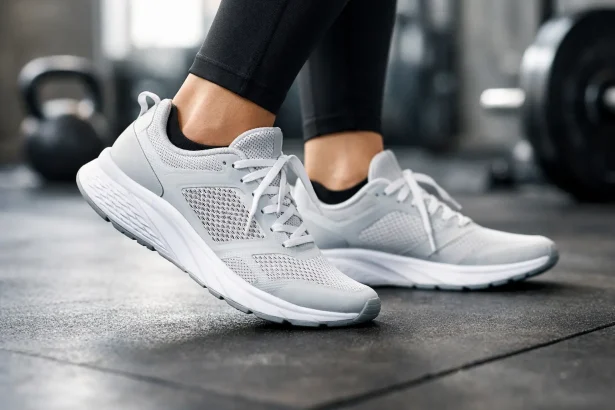
We also like that it looks normal off the run. Some running shoes are so oversized and sculpted that they belong nowhere near jeans. The Pegasus has a cleaner shape. You can wear it to the gym, for a walk, or with casual clothes without looking like you are heading to a space station.
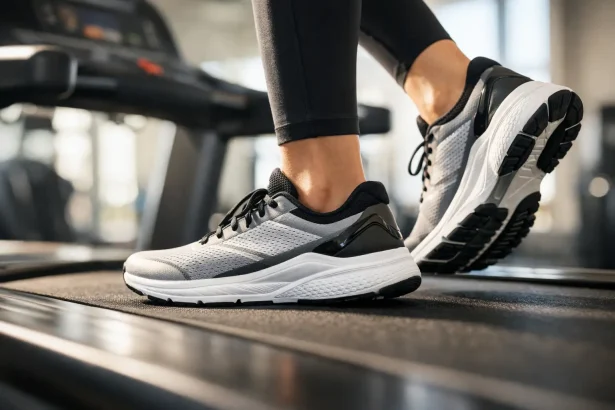
This is a daily trainer first. That means it is best for the boring miles that make up most running plans. Easy runs, recovery days, steady road miles, treadmill sessions, and walking commutes are all in its comfort zone.
It is also a strong pick if you only want one athletic shoe. Plenty of people do not need a separate shoe for every kind of movement. The Pegasus can handle a light gym workout, dog walks, travel days, and a few runs each week without feeling out of place. If your lifestyle is active but not obsessively specialized, it makes a lot of sense.
The outsole is another quiet win. Nike tends to give the Pegasus durable rubber coverage where road runners need it. Grip is reliable on dry pavement and generally fine on wet sidewalks, though we would not treat it like a trail shoe. Mud, loose gravel, and technical terrain are not what this model is built for.
For beginners, the consistency is the point. You do not need to learn how to run in it. Lace it up and go. For experienced runners, it can be the dependable workhorse sitting beside a softer recovery shoe or a faster race-day option.
If you want maximum cushioning, the standard Pegasus probably will not scratch that itch. It protects your feet, but it does not give you that deep, pillowy feeling some runners want for long, slow days. If your priority is soaking up impact with as little road feel as possible, look toward a more cushioned model.
We would also skip it as a dedicated speed shoe. Yes, you can run fast in a Pegasus. Strong runners can run fast in almost anything. But it is not designed to feel razor-sharp for intervals or race day. It has enough response for occasional faster efforts, not the snappy, aggressive ride many runners want when chasing a personal best.
And if you know you have wide feet, do not ignore that concern because the color is good. Get the wide fit if possible, or choose a naturally roomier model. A secure shoe should not feel like a clamp.
The Pegasus is for runners who like a middle ground. Compared with a softer max-cushion shoe, it feels lower, firmer, and more connected to the ground. Compared with a lightweight performance trainer, it feels more planted and less eager to sprint.
That middle ground is why we keep recommending it. A lot of shoes are impressive for five minutes in a store. Then you wear them for a month and realize they only work for one very specific kind of run. The Pegasus is less dramatic, but it has range.
If you love a soft, rolling ride, you may prefer something plusher. If you want a shoe that pushes you onto your toes and begs for speed, look elsewhere. But if you want a familiar, stable platform that can handle most of your week, Nike is still doing something right here.
Yes, for the right runner. We think the Pegasus is worth buying if you want a dependable road running shoe that can also live a normal life off the pavement. It is especially easy to recommend to new runners, casual runners, walkers, and anyone replacing an old pair of all-purpose trainers.
It is less convincing if you already own several specialized shoes. In that case, you may want more cushion for recovery runs or more speed for workouts. The Pegasus is not trying to win those categories. It is trying to be the shoe you reach for without overthinking it.
That might sound less exciting than a huge foam stack or a race-focused design. Honestly, that is the appeal. Put on the Pegasus, head out the door, and let the run be the interesting part.