Cart
No products in the cart.
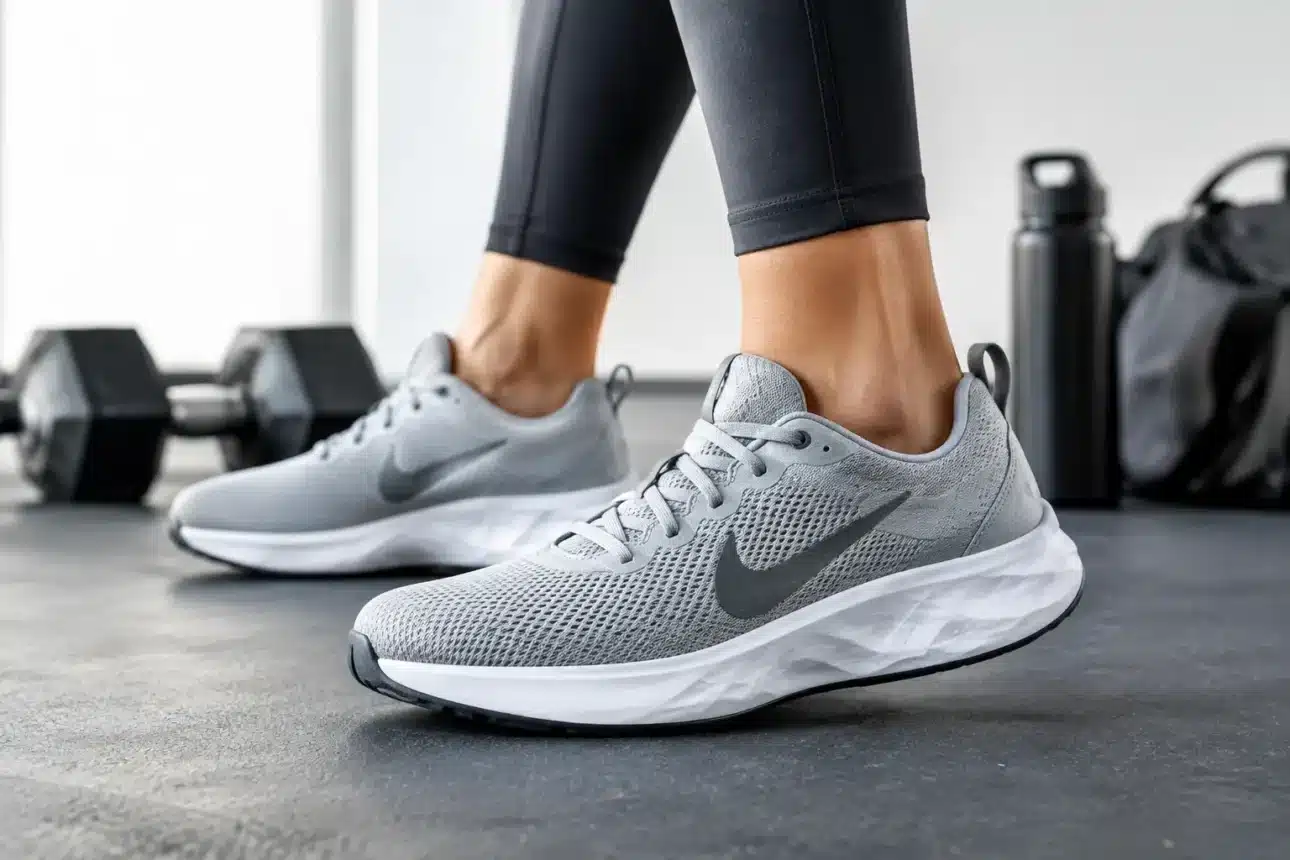
You walk into the gym, see treadmills, squat racks, mats, and machines, then realize your everyday sneakers suddenly feel like a terrible plan. That is why finding the best sneakers for gym beginners is less about buying the loudest new pair and more about matching the shoe to what you will actually do.
We see this mistake all the time: someone buys soft running shoes for lifting, then wonders why squats feel wobbly. Or they buy a flat, tough training shoe and hate every minute of their first treadmill session. Neither shoe is bad. It was just the wrong tool for the job.
For most beginners, a versatile training sneaker is the smartest first buy. It should feel stable when you lift, flexible enough for short cardio sessions, and comfortable enough that you do not start making excuses to leave it in the closet.
Before picking a brand or color, be honest about your plan. Not your fantasy plan. The plan you will follow on a random Tuesday after work.
If you expect to use machines, dumbbells, bodyweight exercises, and a little cardio, buy a cross-training shoe. This is the middle ground. It has a flatter, firmer base than a running shoe, so your feet do not sink around when you press, squat, or lunge. It still has enough cushion for warmups, short runs, and fitness classes.
If running is the main event, get a running shoe. A trainer can handle a five-minute warmup. It is not what we would choose for regular three-mile runs. Your legs will notice the difference.
If strength training is your main thing, go flatter and more stable. You do not need a hard-core lifting shoe on day one, but you do want less squish underfoot. Think of it like standing on a firm floor instead of a thick mattress. A stable shoe helps you feel where your feet are when you are learning form.
The Nike Free Metcon is one of our favorite starting points for people who do a bit of everything. It bends easily through the front of the foot for lunges, planks, and quick movements, but the heel is more grounded than a typical running sneaker. That is exactly what a beginner needs from a gym shoe.
It is not the best choice for longer runs. We would keep it to short treadmill intervals, warmups, and the occasional jog. But for a gym routine that includes weights, machines, circuits, and some cardio, it makes far more sense than trying to force a cushy running shoe into every workout.
The look is also easy to wear outside the gym. That should not be the main reason to buy a training shoe, but we are not going to pretend it does not matter.
If you are drawn to barbells, dumbbells, squats, deadlifts, and strength classes, look at the Nike Metcon or Adidas Dropset line. Both are built around a firmer, wider platform. Your foot stays planted instead of rocking around on a tall foam sole.
We like the Metcon for people who want a locked-in, serious training feel. It is sturdy and feels purposeful under weights. The trade-off is clear: it is not a soft all-day sneaker, and it can feel clunky if you spend a lot of time running.
The Adidas Dropset is another strong option if you want stability without making your foot feel trapped. It suits gym sessions that lean toward lifting but still include sled pushes, step-ups, and short conditioning blocks. If you are picking between these and a running shoe for strength work, we would choose the trainer every time.
The On Cloud X works well for beginners who prefer studio classes, light circuits, mobility work, and short cardio bursts. It feels lighter and more springy than a traditional lifting shoe, without being as soft and unstable as some running models.
This is the shoe for someone who wants to move quickly and does not plan to chase heavy personal records right away. It has enough structure for general gym work, but it favors movement over maximum lifting stability. If your sessions are mostly kettlebells and dance-style classes, that is a fair trade.
If your gym routine means treadmill, elliptical, walking track, and a few machines afterward, buy a real running shoe from ASICS, Brooks, or New Balance. This is where many people overcorrect and buy a flat trainer because social media says flat shoes are better. Better for what? Not for regular running.
Running shoes are made to soften repeated impact. The foam takes the edge off each landing, especially when you are new and your body is still adapting to the routine. Models such as the ASICS GEL-Nimbus, Brooks Ghost, and New Balance Fresh Foam lines are popular for a reason: they are comfortable, predictable, and not overly fussy.
The downside is stability under heavy weights. A soft, tall sole can make exercises like squats and deadlifts feel a little like balancing on a sponge. If you only lift lightly, that may not bother you. If strength training becomes your thing, add a trainer later instead of asking one running shoe to do every job.
We would skip lifestyle sneakers with flat, hard soles if you plan to train regularly. They can look excellent, but a classic street shoe is not automatically a good gym shoe. Little cushioning can make treadmill work rough, while narrow toe boxes can make squats and lunges feel cramped.
We would also skip ultra-soft max-cushion running shoes for lifting-focused sessions. Hoka makes very comfortable running and walking shoes, and we like them for the right person. But a tall, plush platform is not our pick for learning loaded movements. Comfort and stability are not the same thing.
And do not buy a shoe because an influencer says it is the best. Their workout might be Olympic lifting, Hyrox, marathon training, or mostly posing next to a cable machine. Yours can be completely different.
A good gym shoe should feel secure around the heel, with room for your toes to spread naturally. Your toes should not hit the front when you walk downhill on a treadmill or lower into a lunge. You also should not have to crank the laces so tight that the top of your foot feels numb.
Try shoes on later in the day if you can. Feet often swell a little after hours of walking, standing, and living your life. Wear the socks you would train in, not thin dress socks that make every shoe seem roomier than it is.
Pay attention to width. This gets ignored far too often. If the sides of your forefoot bulge over the midsole or your little toe feels pinched, size changes may not solve it. You may need a wider model. A shoe that looks sleek but squeezes your foot is going to spend a lot of time under your bed.
Not at first. One versatile trainer is enough for most gym beginners, especially if your cardio stays short and your weights stay moderate. Spend the money on a shoe that matches your main workout, then actually use it.
A second pair makes sense once your routine splits in two. Maybe you start running three days a week and lifting twice a week. Maybe you find out you love heavy strength work but still want a cushioned shoe for walks. At that point, a running shoe and a training shoe are a better setup than one compromised pair.
At SneakerPrime, we would rather help you buy the right first shoe than talk you into the most expensive one. Start with the workout you will repeat, choose a fit that feels good before you leave the house, and let your training decide what comes next.