Cart
No products in the cart.
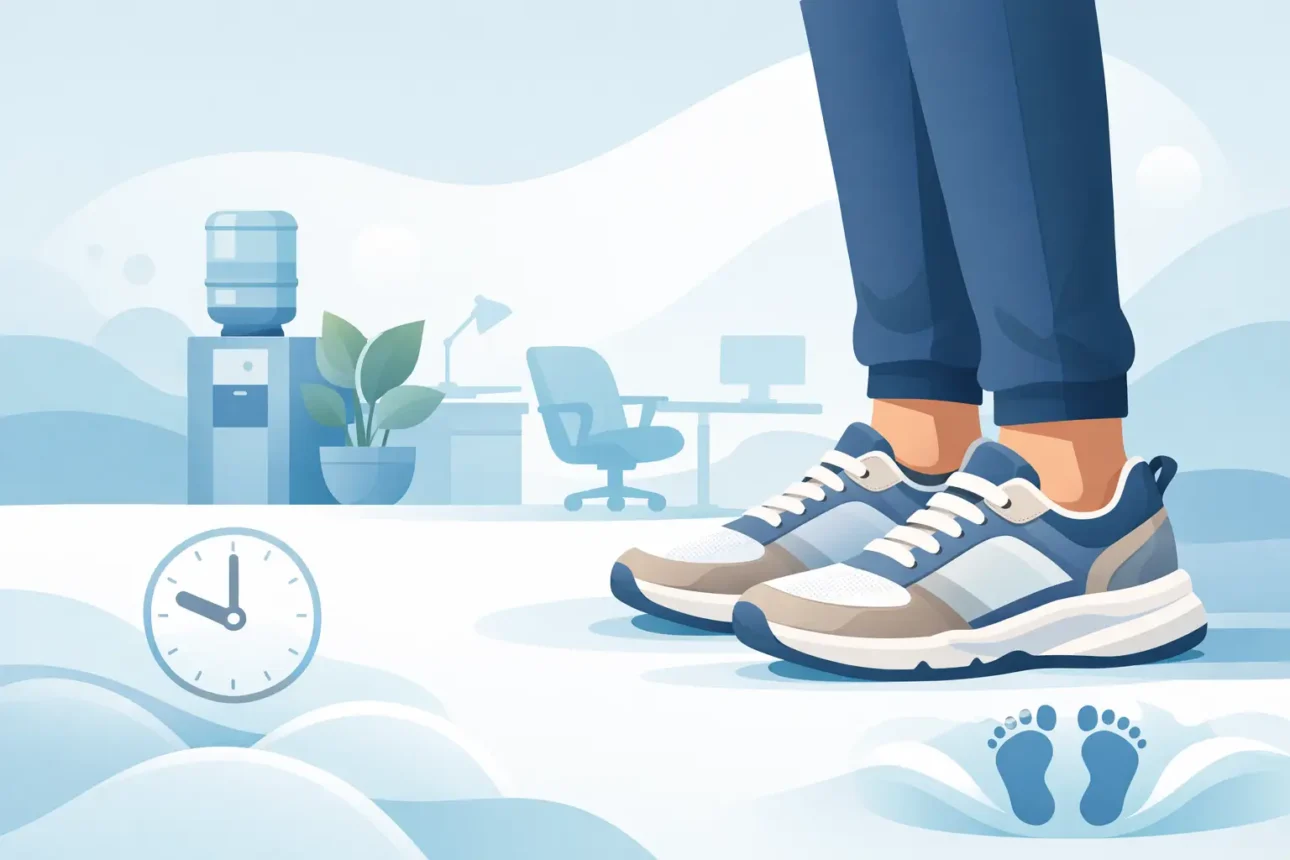
Eight hours on hard floors can make a good-looking sneaker feel like a bad decision by lunch. If you are shopping for the best sneakers for standing all day, the goal is not just soft cushioning. You need the right mix of support, stability, fit, and enough comfort to keep your feet, knees, and lower back from paying for it later.
That is where a lot of shoppers get tripped up. The plushest shoe in the lineup is not always the best one for long shifts, retail floors, hospital hallways, classrooms, or warehouse work. When you stand for hours, your feet are not just absorbing impact. They are holding your whole body in place, minute after minute. That changes what matters.
Start with cushioning, but do not stop there. Soft foam feels great in the first five minutes. After five hours, the better question is whether the midsole still feels supportive or if it has gone flat. For all-day standing, balanced cushioning usually beats an ultra-pillowy feel.
Arch support matters too, but not in a one-size-fits-all way. Some people need a more structured platform to control overpronation. Others do better in a neutral shoe with a roomy fit and steady base. If your arches ache by midday, your current pair may be too flat, too narrow, or too flexible through the middle.
Then there is the shape of the shoe. A wider toe box can make a huge difference when your feet swell during a long day. Heel lockdown matters just as much. If your heel slips, your foot works harder than it should, and fatigue builds fast.
Outsole grip is another factor that gets overlooked until it matters. Smooth tile, polished concrete, and sealed retail floors can all feel slick. If you move a lot while standing, a shoe with reliable traction and a stable platform can feel noticeably better by the end of a shift.
This is where brand and model differences start to matter. Hoka, Brooks, Asics, New Balance, On, Adidas, and Nike all make sneakers that can work for long hours on your feet, but they do not feel the same.
Hoka is a strong pick if you want max cushioning and a smooth ride. Many Hoka models feel protective on hard surfaces, especially for workers who spend all day on concrete or tile. The trade-off is that some wearers find very tall midsoles a little less connected or stable if they prefer a lower, firmer feel.
Brooks and Asics tend to hit a sweet spot for shoppers who want dependable comfort without feeling too soft. Their walking and running-based comfort models often combine moderate cushioning with solid support, which works well for all-day standing. If you want a sneaker that feels consistent from the start of your shift to the end, this category is worth a close look.
New Balance stands out for fit variety. That matters more than people think. A great midsole cannot fix a shoe that squeezes your forefoot or lets your foot slide around. If you have wider feet, bunions, or pressure points, New Balance can be a smart move because fit options are often part of the value.
On is popular for a reason. The brand brings a sleek look and a responsive feel that many shoppers like for everyday wear. For standing all day, some On models feel light and stable, especially if you want something modern and less bulky. The trade-off is that not every shopper wants a firmer underfoot feel for long static standing.
Nike and Adidas sit in an interesting lane. They offer both style-heavy casual pairs and performance-driven models. If you are choosing between them for long standing hours, skip the flatter lifestyle silhouettes and focus on the comfort-oriented running or walking side. The right Nike or Adidas sneaker can work very well. The wrong one can leave your feet done by mid-afternoon.
The best sneakers for standing all day depend on how you stand and where you stand.
If you are mostly planted in one area, like behind a counter or at a workstation, underfoot comfort and stable support usually matter more than speed or bounce. A cushioned everyday trainer with a broad base is often the better call than an ultra-light running shoe.
If your job mixes standing with constant walking, you may want something more flexible and smoother through the stride. In that case, a walking-friendly or running-inspired sneaker can help reduce fatigue because your foot is moving naturally instead of fighting the shoe.
Surface matters too. Concrete is unforgiving, so more cushioning usually helps. Tile can feel hard and slick, so traction and stability move up the list. Carpeted office floors are easier on the feet, which means you may not need the thickest midsole available.
And then there is body mechanics. If your knees, hips, or back get sore after long shifts, the issue may not start at those joints. It often starts with what your feet are doing all day. A shoe with better alignment and support can make a real difference beyond your feet.
A lot of discomfort gets blamed on the shoe model when the real issue is sizing. For standing all day, you usually want about a thumb’s width of space in front of your longest toe. Too short and your toes get crowded. Too long and your foot slides.
Try on sneakers later in the day if you can. Feet swell, especially if you are active or on your feet for hours. A pair that feels perfect first thing in the morning can feel tight by evening.
Pay attention to width, not just length. If you feel pressure on the sides of your forefoot, do not assume it will break in enough to solve the problem. Some materials relax a bit, but shape still wins. A better-fitting last is usually the answer.
Socks also change the fit more than people expect. If you wear thicker work socks, test sneakers with those, not with thin no-show pairs. It sounds basic, but it saves a lot of returns and a lot of sore feet.
A few details consistently separate decent pairs from great ones. A padded heel collar can reduce irritation. A removable insole is useful if you wear custom orthotics. Breathable uppers help if your feet run hot during long shifts. A rocker-style sole can ease pressure for some wearers, especially if forefoot fatigue is a regular problem.
At the same time, more is not always better. Too much softness can feel unstable. Too much structure can feel restrictive. The best move is matching the shoe to your foot and your routine, not chasing the most extreme spec on the page.
The biggest mistake is buying for looks only. Style matters, and there is no reason your all-day pair cannot look sharp, but a sleek low-profile sneaker is not automatically built for hard hours on your feet.
Another common miss is replacing shoes too late. Once midsoles are compressed and support is worn down, your body notices. If a pair used to feel great and now feels flat, the problem may not be your feet. It may just be time for a new rotation.
Also, do not assume a running shoe is always the answer. Some are built for forward motion, not prolonged standing. They can still work, but it depends on the design. A stable daily trainer often beats a super-soft high-stack speed-focused shoe for shift work.
If you want plush comfort and a protective ride, start with Hoka. If you want all-around support and proven everyday comfort, Brooks and Asics are strong places to look. If fit is usually your problem, especially width, New Balance deserves attention. If you want clean style with modern performance cues, On makes sense. If you want mainstream athletic brands with lots of options, Nike and Adidas can absolutely deliver, but be selective and prioritize comfort-led models over fashion-first pairs.
That is the real play. Do not shop by logo alone. Shop by how your feet feel after hour six, not minute six.
For anyone building a rotation, it also helps to own more than one pair. Alternating shoes can reduce repetitive pressure points and extend the life of the cushioning. If you are on your feet every day, that is not overkill. It is a smart comfort move.
SneakerPrime brings that kind of choice into one place, which makes comparison easier when you are deciding between brands instead of bouncing from site to site.
The best pair is the one that keeps you comfortable when the day drags on, the floor feels harder, and you still have hours left. Pick the sneaker that fits your foot, supports your stride, and makes the last part of the day feel as good as the first.