Cart
No products in the cart.
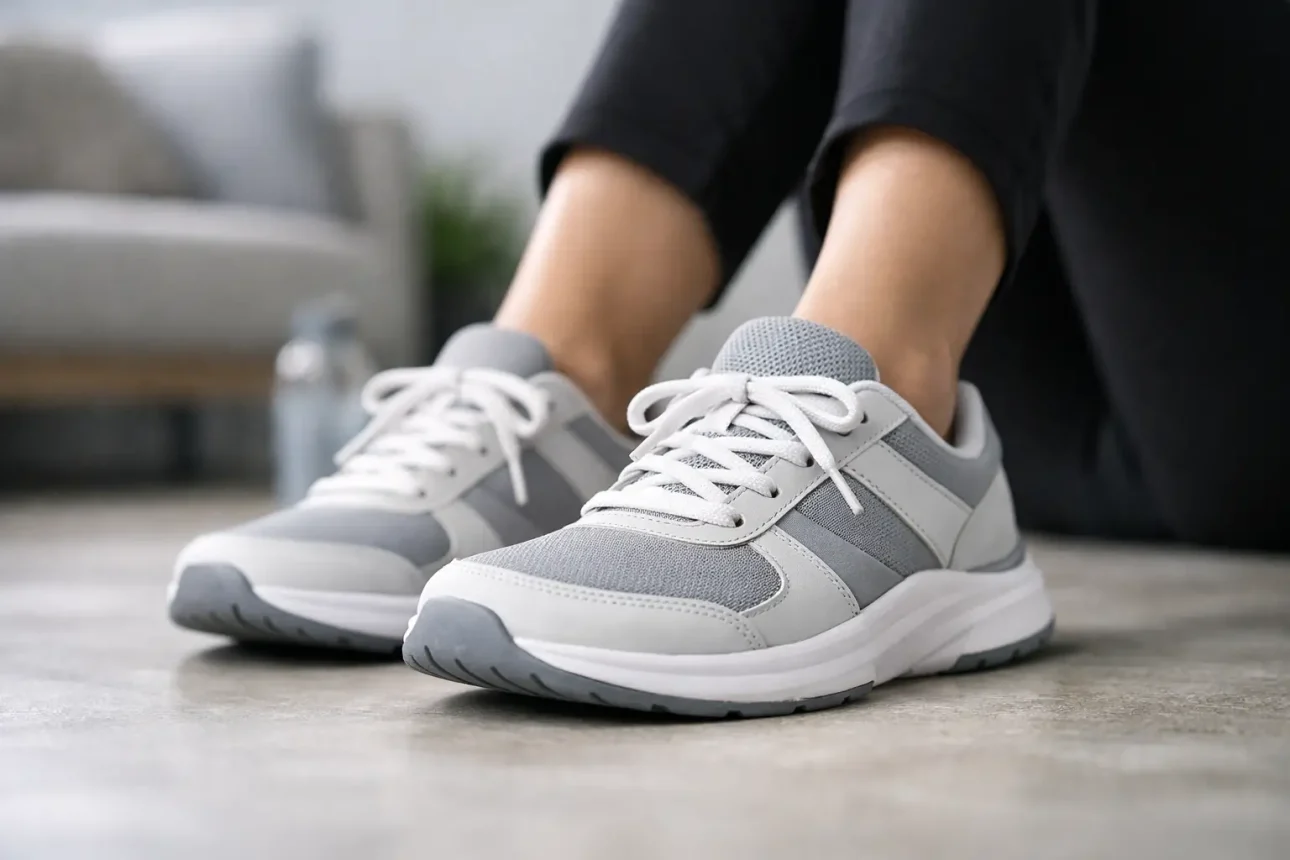
If your shoes feel fine at 8 a.m. and miserable by 5 p.m., the problem might not be cushioning. It might be shape. A lot of wide toe box sneakers are popular for one simple reason – they stop crushing the front of your foot and let your toes sit like toes, not packed sardines.
We think this gets missed way too often. People shop for foam, support, and brand logos, then ignore the part of the shoe their foot actually has to live in all day. If the front tapers too hard, it doesn’t matter how soft the midsole is. Your feet will tell you the truth.
A wide toe box sneaker gives your forefoot more space than a standard shape. That doesn’t always mean the whole shoe is wide. This is where people get tripped up.
Some shoes are wide everywhere – heel, midfoot, forefoot. Others still hold your heel and arch pretty normally but leave extra room up front where your toes spread when you walk or run. We usually prefer that second type for most people. It feels secure without making the whole shoe sloppy.
And no, a wide toe box is not the same thing as sizing up. Going half a size bigger can give you more length, but it often creates heel slip and weird creasing while still squeezing the widest part of your foot. More length is not the same as better shape.
Your feet widen when they take load. That’s normal. They also swell a bit through the day, especially if you walk a lot, stand for work, travel, or train hard. A narrow forefoot can feel acceptable for twenty minutes and terrible later.
What actually matters is how your feet feel when you’ve been moving for hours. That’s where wide toe box sneakers earn their keep. They can feel less restrictive, more stable, and just easier to wear for longer stretches.
We also think they help with comfort in a very boring but real way – less rubbing at the little toe, less pressure on the big toe joint, less of that tired “get these off me now” feeling at the end of the day. That’s not fancy. It’s just useful.
Not everyone needs them. Some people have narrow feet and do better in a more tapered fit. But plenty of shoppers should at least try them.
If your pinky toe always feels pinched, if the side of your big toe gets irritated, or if you avoid certain brands because they feel too pointy, it’s worth paying attention. The same goes if your feet are naturally wide in front but not especially wide at the heel.
They also make sense for runners and walkers who spend a lot of time on their feet. When your stride repeats thousands of times, small fit issues stop being small. If the fit is off, you’ll notice.
And if we’re being honest, they’re also great for people who are just tired of fashion sneakers shaped like narrow dress shoes with rubber bottoms. Some look cool on the shelf and wear terribly. We’re not interested in defending those.
More room is good until there’s too much of it. That’s the part people skip.
A good toe box should feel open, not loose. Your toes should be able to spread, but your foot shouldn’t slide around every time you turn a corner. If the forefoot is too roomy for your shape, you can end up gripping with your toes to stay in place. That gets annoying fast.
This is why we don’t tell everyone to just buy the widest shoe they can find. Fit depends on your foot shape, sock choice, and what you’re using the sneaker for. A casual everyday pair can feel a little more relaxed. A running shoe usually needs better lockdown through the midfoot and heel, even if the front is generous.
Some brands simply understand foot shape better than others. Not every model within a brand fits the same, but there are patterns.
New Balance is one of the safer bets if you want options. They tend to offer more width choices, and a lot of their everyday and running models don’t taper as aggressively in the front. They’re not always the prettiest pair in the room, but a lot of them feel right on foot. We’ll take that trade.
Brooks is another strong pick, especially for walkers and runners who care more about comfort than hype. Their fit often feels practical in the best way. Put them on and you get why people stay loyal.
Hoka can be a mixed bag, but in the better-fitting models you get that roomy, less cramped forefoot people are looking for. The ride is often soft and easygoing, which helps if you’re on your feet all day. The catch is that not every Hoka fits the same, so one model can feel great while another feels oddly narrow.
Altra is the obvious name when people talk about foot-shaped fronts. We respect what they’re doing, but they’re not for everyone. Some people love that open feel right away. Others find the overall shape too different from what they’re used to.
Asics, On, Adidas, Nike, and Puma all have models that work, but we’d be more selective there. Some are generous enough. Some run narrow and look better than they feel. That’s just the truth.
When you first put them on, your toes should feel free without feeling disconnected from the shoe. You want space side to side, plus enough length that your longest toe isn’t kissing the front.
Walk around and pay attention to the forefoot on push-off. If the sidewalls press into your toes, the shape is wrong. If your heel lifts and your foot slides forward, the shoe may be too big or too wide in the wrong places.
We always come back to one question: does the shoe disappear, or are you already negotiating with it? Good wide toe box sneakers stop demanding attention after a few minutes. Bad ones keep reminding you they’re there.
For everyday wear, you can get away with a more relaxed fit. In fact, that’s often the point. Walking, commuting, travel, and long workdays all benefit from a sneaker that doesn’t clamp down on the front of your foot.
For running, it gets more specific. You still want room up front, especially as your feet swell during miles, but you need the rest of the shoe to hold steady. A roomy toe box paired with a secure midfoot is usually the sweet spot.
For gym use, it depends on what you do. If you lift, too much squish underfoot can matter more than toe box width. If you do treadmill work or classes, a balanced trainer with decent forefoot space usually makes more sense than a super-soft cruiser.
The first mistake is assuming “wide” and “wide toe box” mean the same thing. They don’t. A shoe can be wide overall and still taper oddly at the front.
The second is buying based on brand reputation alone. A brand known for comfort can still make a model that fits like a vise. Never trust the logo more than your feet.
The third is keeping a pair because it “might break in.” Sometimes it will. Sometimes you’ll just waste two weeks proving the shape was wrong from day one. We’re not against break-in time, but pressure on your toes is usually a bad sign, not a phase.
We’d start with shape before cushioning. That may sound backward in a sneaker market obsessed with foam, but it matters more than people think. If the last – the mold the shoe is built on – doesn’t match your foot shape, no amount of soft underfoot feel will save it.
Then we’d look at use. Daily wear? Go for easy comfort and enough room to handle long days. Running? Prioritize forefoot space plus lockdown. Style pair? Be honest about how long you’ll actually wear them. Some sleek shoes are fine for dinner. They’re not fine for ten hours.
If you shop across multiple brands, this is where a store like SneakerPrime makes life easier. You can compare different fit philosophies without bouncing all over the internet or settling for one brand’s idea of comfort.
If standard sneakers leave your forefoot feeling trapped, yes. Absolutely. Not because they’re trendy. Because they make everyday wear less annoying.
We’re not saying every narrow-looking sneaker is bad. We’re saying too many people have accepted a poor fit because the shoe looked good in photos or had the right name on the side. That’s a low bar.
The better move is simple. Pick a shoe that gives your toes space to do their job, your heel enough hold to stay put, and your feet a chance to still feel decent later in the day. If that means the silhouette is a little less sleek, we’re fine with that. Your feet probably will be too.