Cart
No products in the cart.
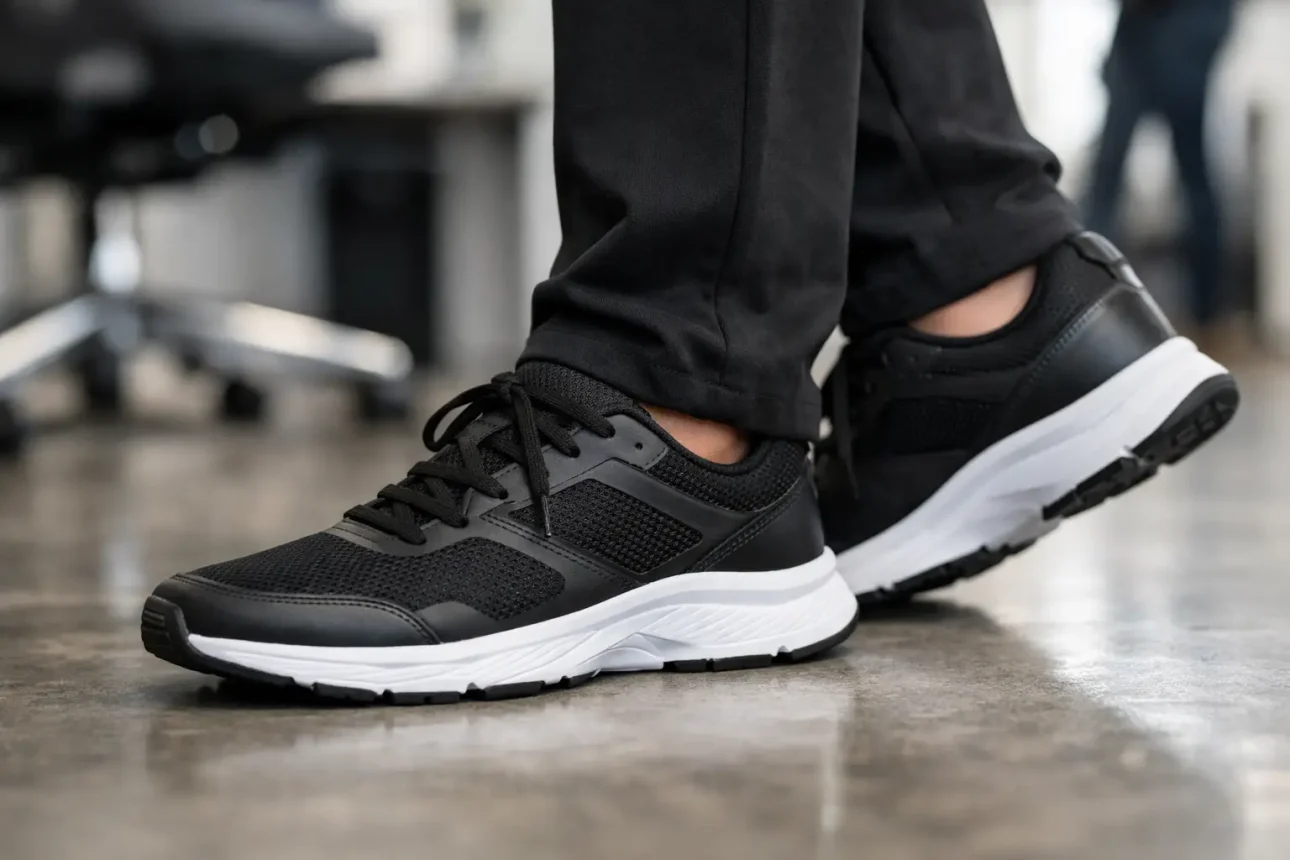
By hour three, bad shoes start telling on themselves. Your heels feel beat up, your arches get cranky, and suddenly even standing still feels like work. If you’re asking which shoes are good for standing, the short answer is this: not the flattest pair, not the stiffest pair, and not always the softest pair either. What actually works is a shoe with stable cushioning, enough room up front, and support that still feels decent late in the day.
We’ve seen people make the same mistake over and over. They buy whatever looks clean, or whatever has the most foam, then wonder why their feet are cooked by 5 p.m. Standing all day is its own thing. It’s not the same as running. It’s not even the same as walking. You need comfort, yes, but you also need a shoe that doesn’t let your foot wobble around for eight hours.
Our honest take: the best shoes for standing usually come from walking and running categories, not fashion sneakers. That doesn’t mean they have to look orthopedic. It just means the shoe needs to do an actual job.
We usually point people toward brands like Hoka, Brooks, New Balance, Asics, and On first. Not because every model is perfect, but because these brands make more shoes that feel built for long wear. Nike and Adidas have good options too, but they also have plenty of pairs that look better than they stand.
If we had to simplify it, a good standing shoe feels cushioned without being mushy. It feels stable when you shift your weight. And it doesn’t squeeze your toes by lunchtime.
The first thing is cushioning, but not in the way people think. Super soft foam can feel amazing for ten minutes. Then your feet start working harder because the shoe feels unstable. That’s why some max-cushion shoes are great for walking but weird for standing still. We like cushioning with some structure under it. Enough give to take the edge off hard floors, but not so much that your ankles feel sloppy.
The second thing is width and shape. A lot of all-day discomfort starts in the toe box. If the front of the shoe narrows too much, your toes are cramped for hours. That gets old fast. A shoe with a more natural forefoot shape usually feels better deep into the day, especially if your feet swell a bit.
Then there’s the midsole and heel base. Fancy words aside, what matters is whether the shoe feels planted. Wide bases help. Firmer sidewalls help. If a shoe tips easily when you shift side to side, we’d skip it for long standing shifts.
The upper matters too, just less than people think. Breathable is nice. Stretchy can be nice. But if the base of the shoe is wrong, a soft upper won’t save it.
This is where people get fooled. Some of the softest shoes on the shelf feel like heaven at first step. By the end of the day, not so much. If the foam compresses too easily, your foot can feel like it’s sinking all day. That’s tiring.
We’d take balanced cushioning over pillow-soft cushioning for standing. Think less marshmallow, more supported comfort.
Hoka is the easy answer for a reason. Models like the Bondi and Clifton have that thick-underfoot feel people want, but they’re usually better than average at spreading pressure across the foot. The Bondi is the plusher, bulkier option. Great if hard floors are beating you up. The Clifton is lighter and a bit less clunky. If you want all-day comfort and don’t mind a bigger-looking shoe, Hoka is hard to argue against.
Brooks is one of our favorite picks for people who want comfort without the oversized look. The Ghost is a safe bet. Soft enough, stable enough, and easy to wear if you’re standing and moving around. The Glycerin is more cushioned, but for some people it can feel a little too relaxed compared to the Ghost. If you want a no-drama shoe that just works, Brooks does that well.
New Balance is strong here too, especially if you need width options. That matters more than most people realize. The 1080 gets a lot of attention for comfort, and fair enough, but we often like models with a bit more structure for standing. The 990 line, for example, isn’t cheap, but it has that solid, supportive feel that a lot of people love for long workdays. Less bounce, more control.
Asics deserves more credit in this category. The Gel-Nimbus is plush and comfortable, but the Kayano is often the smarter choice if you want more support and stability. If your feet roll inward or you just like a more guided feel, the Kayano makes more sense than chasing the softest ride in the room.
On is a bit more divisive. Some people love the firmer, springy feel. Others think it’s too hard. We like On for people who hate overly squishy shoes and want something clean-looking that still works for all-day wear. The Cloudmonster and some of the walking-friendly models can do well here. But if you want deep softness, there are better picks.
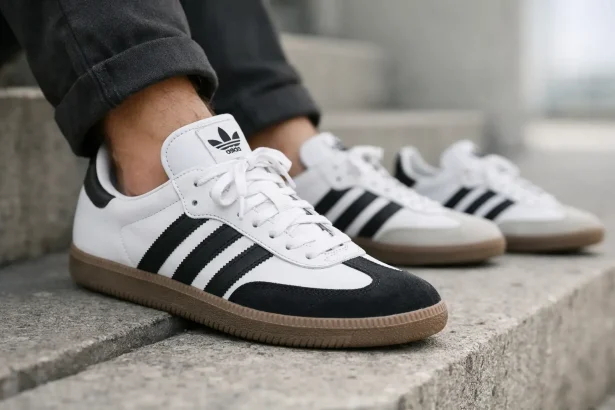
Nike and Adidas both have options, but you need to be picky. A lot of lifestyle pairs from both brands look great and feel fine for casual wear, then fall apart when you’re standing all day. We’d be cautious with flatter retro silhouettes. For Nike, look more at comfort-led runners than classics. For Adidas, same story. A lifestyle icon is not automatically a workhorse.
We’d skip flat, hard sneakers with minimal cushioning. That includes a lot of retro court shoes and fashion-first styles. They’re fine for dinner, errands, or a few hours out. Eight hours on concrete? No thanks.
We’d also be careful with very high, very soft max-cushion shoes if they feel unstable on your foot. Some people love them. Some people end up feeling more tired because their feet are constantly correcting.
And if a shoe feels tight in the store, don’t talk yourself into it. Standing all day only makes that problem louder.
If you know you like a more supportive shoe, don’t fight it. Go there immediately. Shoes like the Brooks Adrenaline, Asics Kayano, and certain New Balance support models tend to work well for people who want their foot guided a bit more. That doesn’t mean they’re only for runners or only for people with specific issues. It just means they offer more structure.
We like support shoes when standing comes with lots of small side-to-side movement, like retail, healthcare, or warehouse work. They can help the shoe feel less loose and less fatiguing by the end of the shift.
That said, not everyone needs a heavy support model. If your feet feel best in neutral shoes, forcing extra structure can feel weird. This is one of those it-depends situations. The right shoe is the one that still feels good when your legs are tired, not the one with the most buzzwords on the box.
This is the least exciting advice and the most useful. Fit beats brand. Every time.
A great shoe in the wrong size is still a bad shoe. You want a secure heel, enough room in the toe box, and no pressure points across the top of the foot. If you’re between sizes, or if your feet swell during the day, that extra little bit of space can make a big difference.
Socks matter too. So do insoles, sometimes. But we wouldn’t use inserts as a way to rescue a bad shoe choice. Start with the right shoe first.
A lot of people want one pair that does everything. We get it. You want something that looks good enough to wear out but still holds up through long shifts. That’s possible, but there’s usually a trade-off.
The most comfortable standing shoes are not always the sleekest. Hoka can look chunky. Brooks can look a bit plain. New Balance can lean dad-shoe if you pick the wrong model. But if your feet hurt every day, style points lose their shine pretty quickly.
Our advice is simple. If all-day standing is the job, pick the shoe for the job first. Then find the colorway you can live with. You’re wearing them for your feet, not for compliments.
If you’re still stuck on which shoes are good for standing, start with this filter: avoid flat lifestyle pairs, look for stable cushioning, and don’t ignore fit. That alone cuts out a lot of bad options. Your feet usually know the truth fast. Listen to them, not the hype.