Cart
No products in the cart.

A clean pair of sneakers can still turn a rainy sidewalk into a bad surprise. That is why a real guide to shoe traction starts underneath the shoe, not with the logo on the side. Cushioning gets all the attention. Grip is what keeps that cushioning useful when the floor is wet, dusty, slick, or uneven.
We see people buy shoes because they look right, then use them for jobs they were never built to do. A flat lifestyle sneaker can look perfect with jeans. It is not automatically the shoe we would pick for a muddy trail, a wet commute, or a gym floor covered in chalk dust. Traction is not glamorous, but it matters every time your foot hits the ground.
Shoe traction is the grip between your outsole and the surface under you. The outsole is the bottom layer of the shoe, usually made from rubber or foam with rubber sections. Good traction helps your foot hold its position instead of sliding when you push off, stop, turn, or walk downhill.
It comes down to three things: the rubber compound, the tread pattern, and the surface you are walking or running on. Softer rubber often grabs smooth surfaces better, especially indoors. Firmer rubber generally lasts longer on pavement. Neither is automatically better. It depends on where you wear the shoe.
Tread is the pattern cut into the outsole. Those grooves create edges that bite into loose ground and channels that move water or dirt away. Think of a trail shoe tread like the lugs on a mountain bike tire. Big, spaced-out lugs can dig into dirt. On polished indoor flooring, those same chunky lugs can feel awkward and do less than a flatter, grippier rubber sole.
We would not tell someone to buy one shoe for every surface. That usually ends with a compromise nobody loves. Start with your actual routine, not the fantasy version where you suddenly run mountain trails every weekend.
For daily wear, look for a rubber outsole with visible coverage in the heel and forefoot. You do not need huge lugs for city streets. In fact, oversized trail tread can feel stiff and clunky on concrete. What you want is a pattern with enough texture to handle painted crosswalks, wet pavement, subway stairs, and the occasional park path.
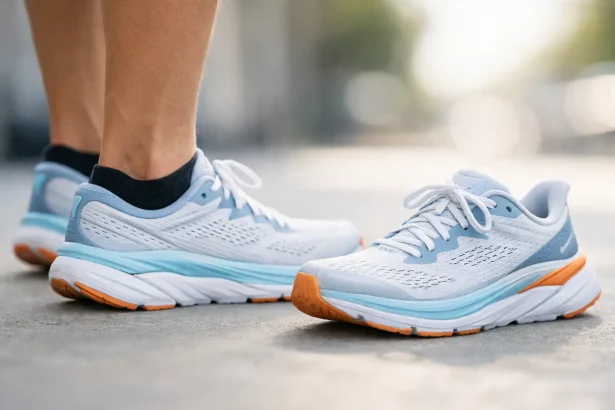
Running shoes from brands like Brooks, New Balance, ASICS, Hoka, and On often make solid walking shoes because they usually have purpose-built outsole rubber in high-wear zones. But check the sole. Some lightweight running models use a lot of exposed foam to cut weight. That can feel soft and fast underfoot, yet foam does not grip or last like rubber.
For an everyday sneaker, we prefer a sole that is practical over one that is perfectly clean-looking. A completely flat outsole can work on dry pavement, but it has less margin when the weather turns ugly.
Water is where traction claims get tested. A deep tread does not magically make a shoe slip-proof on wet tile or metal grates. Nothing does. Smooth wet surfaces can beat almost any sneaker if you hit them at the wrong angle.
Still, a flexible rubber outsole with fine grooves is usually your best bet for rain. The grooves help push water out from under the shoe so more rubber can meet the ground. Look for plenty of small cuts and channels, not just a few decorative lines.
Here is our blunt opinion: if you regularly walk in rain, skip shoes with mostly foam bottoms. They may be comfortable, but they are often the first pair we would leave at home on a wet day. A little extra outsole rubber is worth more than shaving a few ounces off the shoe.
Indoor traction is a different job. You need a sole that grips a smooth floor without feeling sticky or unstable. For lifting, training, and court-based workouts, flatter shoes with wide contact areas tend to feel more planted. A low-profile Nike, Adidas, Puma, or New Balance lifestyle model can work well for basic strength work because your foot sits closer to the floor.
That does not mean every flat sneaker is a gym shoe. Some casual soles are hard, slick, or worn down fast. If you do quick lateral movements, look for rubber that wraps slightly around the sides of the forefoot. That extra contact can help when you cut or change direction.
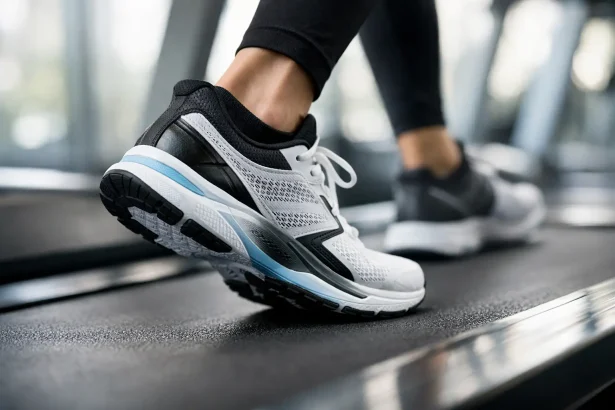
For treadmill running and general gym sessions, a road running shoe is usually fine. For heavy squats or deadlifts, a soft, tall running shoe can feel like standing on a mattress. Comfortable? Yes. Stable under a loaded bar? Not our first choice.
Trail traction needs deeper lugs, meaning the raised blocks on the sole. They should be spaced apart so mud can fall out instead of packing into the tread. On dirt, gravel, roots, and wet grass, that shape gives you something to push against.
Trail shoes are worth it if you actually use trails. We mean real uneven ground, not the hard-packed path behind your apartment. On regular pavement, deep lugs wear down faster and can make the ride feel noisy. A road-to-trail shoe is the sensible middle ground for people who mix sidewalks with light park trails.
Product photos can tell you a lot if you know where to look. Turn your attention to the bottom of the shoe, not just the colorway.
First, look at rubber coverage. Darker rubber patches are often placed at the heel and forefoot because those areas take the most abuse. More coverage usually means better durability and more dependable grip, though it can make a shoe a bit heavier.
Next, look at the grooves. Shallow, closely packed lines suit roads and indoor floors. Larger, deeper lugs suit dirt and loose ground. If the outsole is almost smooth, treat it as a dry-weather casual option unless the brand clearly says otherwise.
Finally, notice the width of the base. A shoe with a broader platform generally feels steadier than one perched on a narrow sole. This matters for walking, gym work, and anyone who spends long hours on their feet. It will not turn a poor outsole into a great one, but it helps.
Traction fades slowly, which makes it easy to miss. Your sneakers do not need a hole in the sole to be worn out. If you start taking shorter steps on surfaces that never bothered you before, look at the outsole.
Watch for these signs:
A quick clean can help, especially on indoor shoes. Dirt and small stones fill the grooves and reduce contact with the ground. Use a soft brush, warm water, and mild soap, then let the shoes air-dry. Do not put them on a radiator or blast them with high heat. Heat can dry out rubber and glue, which is the opposite of what you want.
The smartest rotation is rarely the biggest one. For most people, one reliable everyday sneaker plus a shoe for their specific activity is enough. That might mean a grippy walking or road-running shoe for commuting and long days, then a flatter pair for lifting. If trails are part of your week, add a trail shoe rather than pretending your street sneakers can do it all.
Do not buy a shoe only because the outsole looks aggressive. Some tread patterns are mostly visual. What matters is whether the rubber, grooves, and shape match the ground you use. We like sneakers that earn their place in the closet. If they keep you steady at 5 p.m., after rain, after errands, and after a long day on your feet, they are doing their job.
Before your next pair goes into rotation, flip it over. The bottom tells you far more about where that shoe belongs than the marketing ever will.