Cart
No products in the cart.
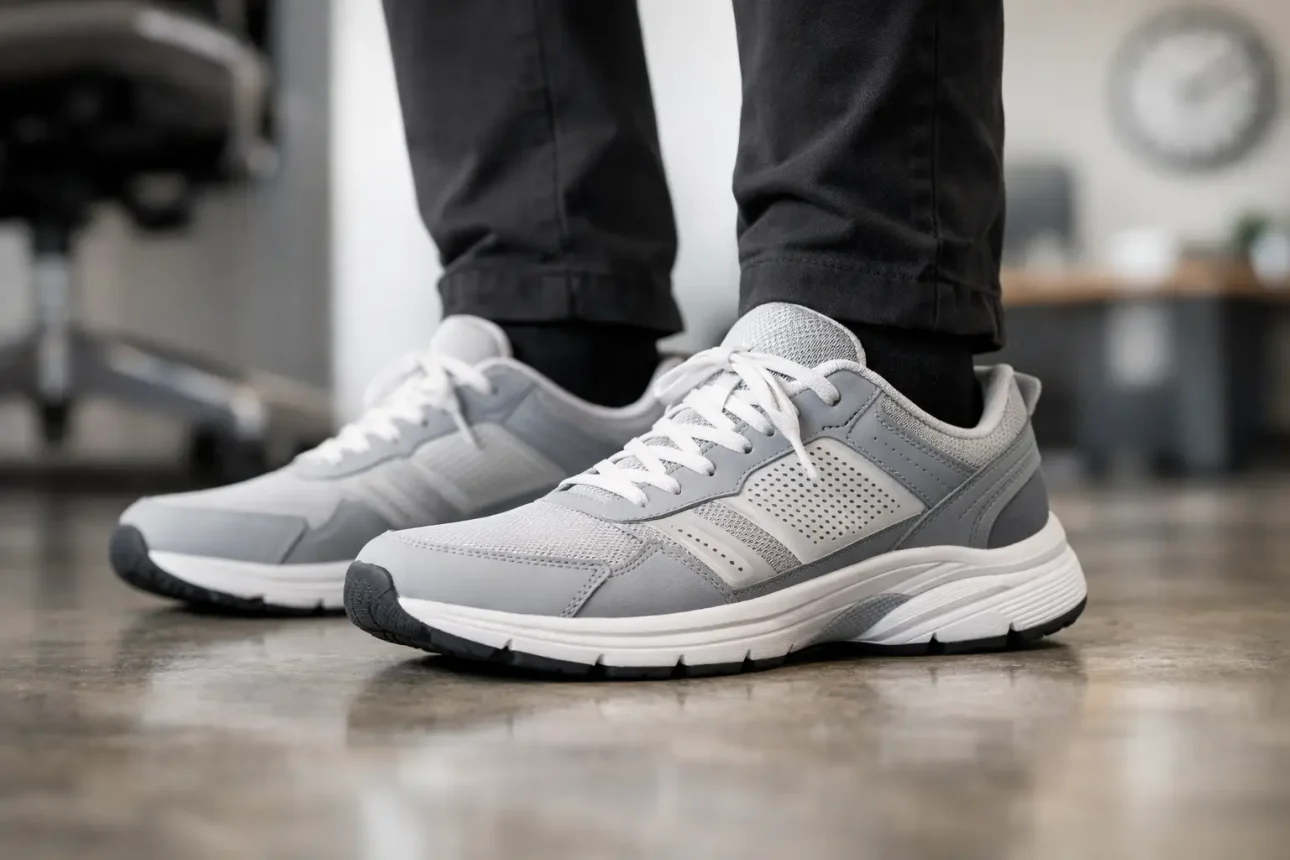
By hour six, bad shoes stop being annoying and start feeling personal. If you’re hunting for sneakers for long hours standing, you do not need the trendiest pair or the most expensive foam on the wall. You need something that still feels decent when your feet are tired, your lower back is joining the protest, and sitting down is not happening anytime soon.
We’ve seen this mistake a lot. People buy a shoe because it feels soft for thirty seconds, then wear it through an eight-hour shift and wonder why their feet feel cooked. Soft helps, sure. But for all-day standing, softness alone is not the win. What matters is support, shape, stability, and whether the shoe keeps working after the first hour.
Let’s start with the truth. The squishiest shoe is not always the best shoe. Sometimes super-soft midsoles feel amazing at first, then get sloppy later. Your foot starts moving around too much. Your arches work harder. Your calves tighten up. By the end of the day, that cloud-like feel turns into fatigue.
We usually prefer a balanced ride for long standing. That means cushioning, yes, but with some structure under it. A shoe should feel protective without feeling unstable. Think less marshmallow, more supportive mattress.
The other big thing is the base of the shoe. Wider platform, better balance. If you’re standing in one place a lot, or walking short distances over and over, a narrow shoe can make your feet do extra work just to stay centered. That gets old fast.
Upper comfort matters too, but not in the flashy way brands love talking about. A soft upper is nice. A breathable upper is better. Hot feet get tired feet. If your shoes turn into ovens by lunchtime, you will feel it.
They shop for standing shoes like they’re shopping for running shoes.
That sounds weird, because a lot of the best options do come from running brands. But standing all day is a different job. Running is forward motion. Standing is repetitive pressure in the same zones. So a shoe that feels quick and bouncy on a run can be too aggressive, too narrow, or too unstable for standing still.
We’d skip anything overly stiff in the forefoot if you’re also walking a lot indoors. We’d also be careful with ultra-plush max-cushion models that sit very high off the ground unless they have a stable platform. Height without control is not your friend at 4 p.m.
This is where Hoka, Brooks, and some New Balance models usually make sense. Not because bigger soles automatically win, but because these brands often build shoes that spread pressure well. When done right, the midsole takes the edge off hard floors without making your foot wobble.
We like max-cushion shoes most for hospital floors, retail shifts, warehouse walking, and travel days where you’re upright forever. But we’d still check the platform. If it feels like you’re perched on top of foam instead of sitting inside the shoe, keep looking.
This is the sweet spot for most people. A good daily trainer usually gives you enough cushion, enough support, and a smoother ride than fashion sneakers or stripped-down gym shoes.
This is where Asics, Brooks, New Balance, and Adidas often get it right. Not every model, obviously. But the category is strong because these shoes are built for repeated impact and longer wear. That tends to translate well to standing jobs.
Some of the best all-day pairs are not exciting. That’s just the truth. They are not trying to be fast. They are not trying to look futuristic. They just hold your foot well, cushion the floor contact, and stop bothering you.
If your priority is pure comfort over style, walking-focused models can be a smart move. If style matters too, there are cleaner options now than there used to be. You do not have to wear something that looks like it came from a mall in 2008.
Hoka is the obvious one, and honestly, the reputation is mostly deserved. The best Hoka pairs for standing feel protective and easy underfoot, especially on hard surfaces. The trade-off is that some models look bulky, and if you hate a chunky silhouette, you may never love them.
Brooks is underrated for this. Not always the coolest brand in the room. We know. But if your job is standing, not posting outfit photos, Brooks earns respect. Their good pairs feel stable, forgiving, and less gimmicky than some trend-driven options.
Asics is another strong pick, especially if you want cushioning without losing that grounded feel. We like Asics when someone wants comfort but does not want to feel like they’re balancing on a stack of pancakes.
New Balance does this category well too. A lot of their better everyday models feel secure in the heel and roomy enough up front, which matters if your feet swell by the end of the day. And yes, some of them look better than people expect.
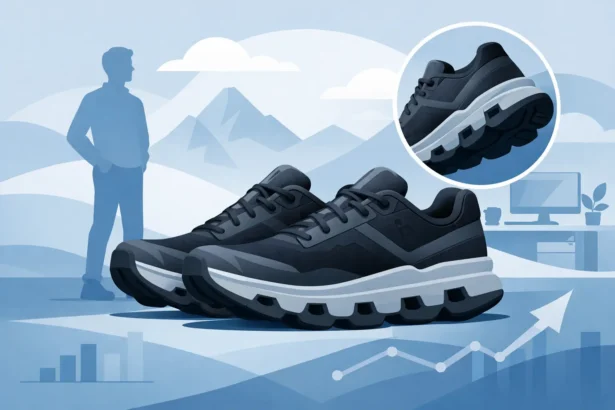
On is more mixed for us. Some people love the firmer, snappier feel. For all-day standing, though, we would not blindly recommend them over softer, more forgiving options. If you like a firmer ride and a cleaner look, they can work. If your feet want plush relief, there are better choices.
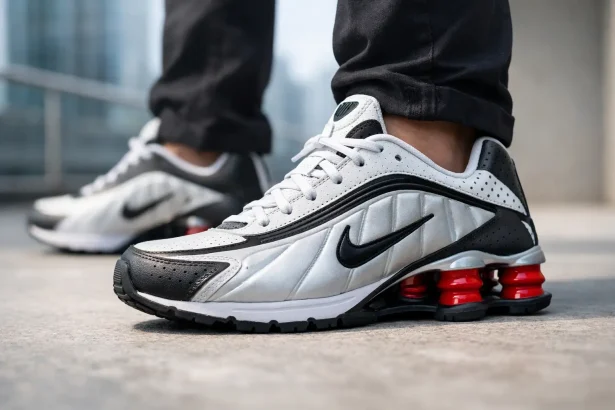
Nike and Adidas both have good options, but they are less automatic in this category. Some Nike pairs feel amazing for casual wear and terrible after hours on concrete. Some Adidas models are soft but not stable enough. You have to choose carefully instead of assuming the logo does the work.
A good shoe in the wrong fit becomes a bad shoe fast.
If your toes feel cramped in the morning, they will hate you by late afternoon. Feet often swell during the day. That means a shoe that feels just-right at 8 a.m. can feel tight and irritating later. We usually lean toward a fit with a bit of breathing room in the toe box, especially for long shifts.
Heel hold matters too. If your heel slips, your foot starts gripping. That creates extra tension you do not need. You want secure, not squeezed.
And no, breaking in should not be a full-time project. A sneaker might soften slightly after a few wears, but if it feels wrong right away, trust that signal.
Flat lifestyle sneakers are the big one. We like a clean pair of classics as much as anyone, but standing in flat cupsole sneakers for eight hours is a rough deal. They can look great and wear terribly. That’s a trade-off, not a surprise.
Minimal shoes are another risky pick unless you already know you like that feel. Some people do. Most people asking for standing comfort do not actually want less underfoot.
We’d also be cautious with super-flexible shoes that fold easily in half. That kind of softness can feel comfy at first, but it often lacks the support people need over a full day.
Let’s be honest. Most people do not want work shoes that scream work shoe. Fair enough. The good news is you can get all-day comfort without looking like you gave up.
This is where neutral colorways and cleaner running-inspired silhouettes help. Black, white, gray, navy – hard to mess up. A sleek Asics or New Balance pair can handle a long day and still work with regular clothes. A chunkier Hoka can be harder to style, but if comfort is the priority, we can live with a little extra sole.
If you want one pair that handles standing, commuting, and everyday wear, go for the model that feels stable first and looks good second. Usually, the right pair ends up doing both well enough.
People love to throw insoles at the problem. Sometimes that helps. Sometimes it just makes a bad shoe slightly less bad.
If the base shoe is too flat, too narrow, or too unstable, an insole is not going to magically turn it into the right tool for the job. It can fine-tune fit and support. It usually cannot rescue the wrong pair.
If you’re standing on hard floors all day, start with stable daily trainers and max-cushion models from Hoka, Brooks, Asics, or New Balance. That’s where we’d look first. If you want a firmer and cleaner-feeling option, On can make sense. If you’re shopping Nike or Adidas, be picky and focus on comfort-first models, not just the pairs you already recognize.
What actually matters is how your feet feel at 5 p.m., not how impressive the tech sounds at checkout. Go for cushioning with structure, a stable base, breathable upper, and a fit that leaves your toes some room. Skip the flat lifestyle pairs for this job.
Your feet do not care about hype. They care about whether your shoes still feel decent when the day drags on. Buy for that version of the day.