Cart
No products in the cart.
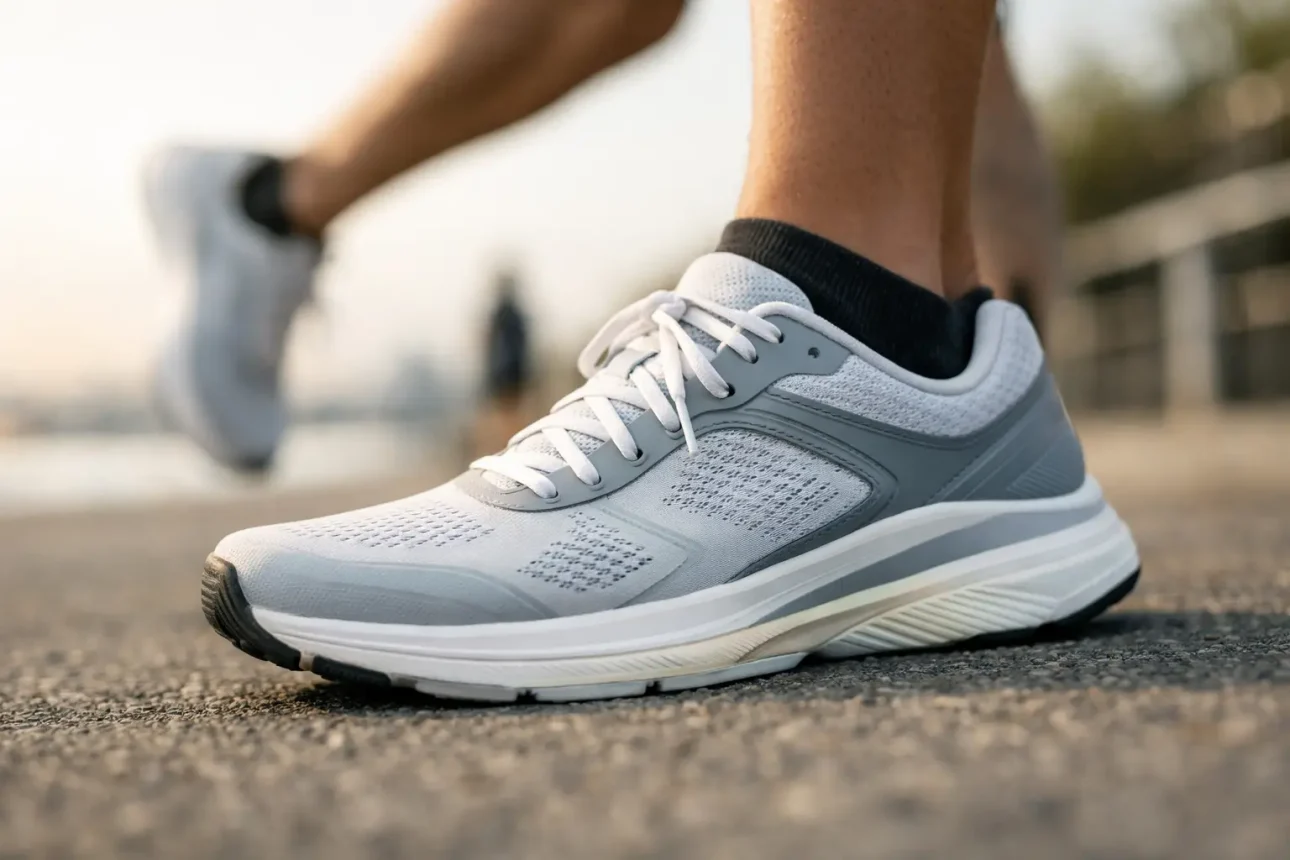
A lot of runners buy the wrong shoe for the miles they do most. They get pulled toward race shoes, max-cushion monsters, or whatever is trending on social. Then they realize the shoe feels weird on easy runs, harsh on tired legs, or just too expensive to beat up every week. That’s why daily trainer running shoes matter so much. They’re the pair you actually live in.
A daily trainer is your workhorse. Not your fastest shoe. Not your softest couch-on-foot shoe either. It’s the one that can handle easy miles, steady runs, a few quicker pickups, and the usual mess of real training.
We like to think of it as the shoe you grab without overthinking. If you have a 4-mile recovery run on Tuesday, a 6-mile steady run on Thursday, and a long run on Sunday, a good daily trainer can cover most of that. Maybe not every run for every person, but close.
That “do-it-all” part matters. Some shoes are fun for 30 minutes and annoying after an hour. Some feel amazing when you try them on, then turn dull once you start logging miles. The best daily trainers avoid both problems. They feel natural. Stable enough. Cushioned enough. Not fussy.
If we had to take a side, we’d say most people are better off with balance over extremes. That means moderate cushioning, a smooth ride, and a fit that doesn’t fight your foot.
Too soft, and the shoe can feel mushy and sloppy when you pick up the pace. Too firm, and your legs know about it by mile five. Too high off the ground, and some runners start feeling wobbly on turns or uneven sidewalks. Too stripped down, and every run feels harder than it should.
The sweet spot is boring in the best way. A shoe that disappears on your foot. One that lets you run instead of making you think about foam, rocker shape, or what the brand says the technology is doing.
This is where people get stuck. Brands throw around foam names and outsole talk, but what matters is the feeling.
A good daily trainer should feel comfortable right away, but not like a marshmallow. Your heel should sit securely without rubbing. The midfoot should feel held in place without squeezing. Up front, your toes need enough room to spread a bit as the miles add up.
Underfoot, the ride should feel smooth from landing to toe-off. Not dead. Not bouncy to the point of being awkward. Just easy. If a shoe makes your stride feel cleaner and less tiring, that’s a very good sign.
We also pay attention to the upper. If it looks sleek but digs into the top of your foot, that’s a no from us. Same if the heel collar feels fancy in hand but starts chewing your Achilles after two runs. Daily trainers need to be easy to wear. Every day means every day.
This is where honesty matters. The “best” daily trainer depends on what kind of miles you run and what your body usually likes.
If you run slower easy miles and want impact protection, you’ll probably lean toward more cushioning. Hoka, Brooks, and New Balance often do this well, though not every model hits the mark. If you like a firmer, snappier ride that feels more connected to the ground, some Asics, Adidas, and Puma options can make more sense.
If you’re a newer runner, we usually don’t think you need anything overly aggressive. You probably need comfort, predictability, and a shoe that forgives imperfect form when you get tired. If you’re more experienced and rotate a few pairs, your daily trainer can be a little more specific. Maybe slightly firmer. Maybe lighter. Maybe built to complement a softer long-run shoe or a plated workout shoe.
Your body size matters too. A lighter runner can often get away with less foam and still feel protected. A heavier runner may prefer a bit more cushion and platform width, especially for longer runs.
Some brands just understand the category better than others.
Asics has been strong here for a while. Their better daily trainers tend to feel stable without feeling old-school stiff. That’s hard to pull off. Brooks is often less exciting on paper, but a lot of runners keep coming back because the shoes simply work. They’re rarely the loudest option, but daily training is not where we chase loud.
New Balance usually does a good job balancing cushioning with versatility. A lot of their shoes feel comfortable at easy pace but don’t fall apart when you run a little faster. Hoka can be great if you want protection and a smooth rocker feel, though some runners find certain models too tall or too disconnected from the ground.
On is more hit or miss for us in this category. Some models feel sharp and clean. Others feel better for casual wear than actual daily mileage. Nike has strong options too, but not every popular Nike trainer is as smooth or durable as the hype suggests. Adidas can surprise people here, especially if you like a ride that feels a little more responsive than pillow-soft.
This is where marketing gets messy.
Max-cushion shoes sound great because more foam sounds safer and softer. Sometimes they are. Sometimes they just feel bulky. If your legs love that big, protected ride, fine. But for a lot of runners, max cushion is better as an option, not the only answer.
Super trainers are the new temptation. Big foam. Sometimes a plate. Usually expensive. Often fun. We get the appeal. But not everyone wants to burn through a pricey shoe on easy miles, and not every plated trainer feels natural when you’re just jogging.
A proper daily trainer usually gives you more value and fewer weird trade-offs. It may not wow you in the first minute. That’s okay. The best workhorse shoes usually prove themselves after ten runs, not one lap around your living room.
Start with fit. Always. A great shoe in the wrong size is still a bad shoe. Most runners want about a thumb’s width in front of the toes, especially if they’re running longer than 30 minutes.
Then think about your actual week. Not your dream training plan. Your real one. If most of your runs are easy and short, don’t buy a shoe built around speed. If you run on roads and sidewalks, you want outsole grip that feels dependable but not overbuilt. If you use one pair for running and all-day wear, durability and step-in comfort matter even more.
Also be honest about what annoys you. Some people hate a stiff forefoot. Some can’t stand heel slip. Some want a shoe to feel lively. Others want calm and predictable. All of that matters.
And yes, looks count. We sell shoes. We know people care. If a shoe performs well but you hate seeing it by the door, you’ll probably wear it less. The trick is not letting style overrule fit and ride.
The biggest one is buying for the best-case run instead of the average one. A shoe that feels amazing at race pace is not automatically the shoe you want for Tuesday morning miles.
Another mistake is assuming softer means better. Soft can feel nice for five minutes. After that, it might feel unstable or just plain tiring. We’ve seen plenty of runners switch back to a more balanced trainer and immediately feel better.
The third mistake is forcing a popular model to work. If everyone online loves a shoe and your foot hates it, move on. There is no award for suffering through a bad fit.
If you only want one running shoe, make it a daily trainer. That’s our opinion, and we’ll stand by it. It’s the category that gives most runners the best mix of comfort, use, and value.
Look for the pair that feels stable enough, cushioned enough, and flexible enough for your normal pace. Not the most dramatic pair. Not the most technical-looking one. The one that feels easy.
That’s really the point. Running already asks enough from your body. Your shoe shouldn’t make the job harder. Pick the pair that helps you forget about your feet and get on with the run. That’s usually the right one.