Cart
No products in the cart.
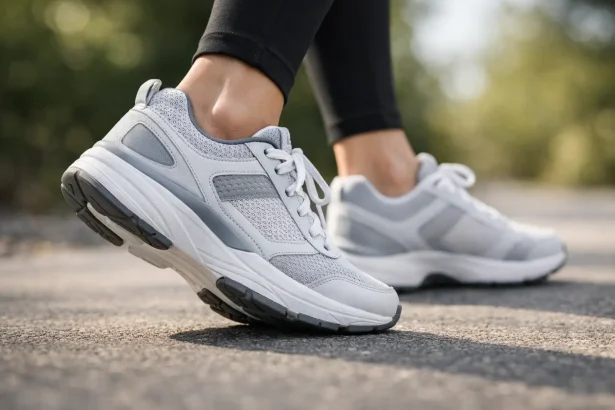
A shoe can feel fine for five minutes and terrible by late afternoon. That is the trap. The best women’s walking sneakers are not the pair that feels soft when you first stand up. They are the pair you still want on after a long commute, a grocery run, a few miles around town, and one more errand you did not plan on.
We think walking shoes deserve more attention than they get. People will spend weeks researching running shoes, then walk six miles a day in flat lifestyle sneakers because they look good with jeans. Style matters. But sore feet by 5 PM are not a personality trait.
Walking is not running at a slower pace. Your foot stays on the ground longer, your heel lands first more often, and you repeat the same movement thousands of times. A good walking sneaker should make that repetitive motion feel easy, not fight you with a stiff sole or a sloppy fit.
Cushioning is part of it, but more foam is not automatically better. A very soft shoe can feel nice at first, then leave your feet working harder to stay steady. For daily walking, we usually prefer cushioning with some structure. Think padded, not squishy. Your foot should feel supported, not like it is standing on a mattress.
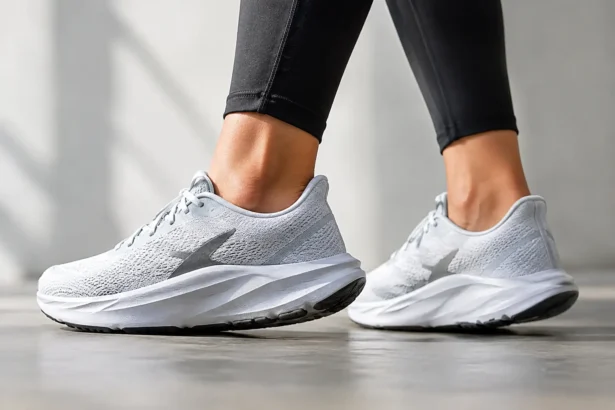
The midsole is the foam between your foot and the ground. A thicker midsole can take the edge off hard sidewalks and concrete floors. It is especially welcome if you walk for commuting, travel, work, or city errands. But a high stack can feel less stable if the base is narrow. If you tend to roll your ankle or simply hate feeling perched up high, look for a shoe with a broad platform.
Ignore the logo for a minute. Fit is the deal-breaker.
Your toes need room to spread as you walk. If the front of the shoe tapers too sharply, your feet may feel cramped even if the size number is technically right. This is why a sneaker can look sleek in photos but feel awful after an hour. A roomy toe box is not glamorous marketing. It is just practical.
Heel hold matters too. Your heel should stay in place without being squeezed or rubbed raw. A little padding around the collar helps, but the shape of the heel cup matters more. If your heel lifts with every step, do not talk yourself into it. Different lacing will not turn a wrong fit into a right one.
We also suggest trying sneakers later in the day when possible. Feet naturally swell after hours of standing and walking. The pair that feels generously roomy at 9 AM may feel suspiciously tight by dinner. Leave about a thumb’s width between your longest toe and the front of the shoe.
If you wear orthotics or your own insoles, check whether the shoe has a removable insole. This sounds minor until you try to cram an insert into a shallow sneaker and suddenly your heel sits too high. Not every walking shoe plays nicely with custom inserts.
Do not assume every women’s sneaker is built for the same foot shape. Some brands tend to feel more secure and narrow through the midfoot. Others offer more space up front or come in wider options. Neither is better across the board.
If you have a narrow foot, a roomy shoe can make you work to keep it on. If you have a wider forefoot, forcing yourself into a streamlined fashion sneaker is usually a bad bargain. Buy the shape that fits your foot, not the one that makes the cleanest product photo.
The right amount of cushioning depends on where and how long you walk.
For short city walks, errands, and everyday outfits, a balanced lifestyle-performance sneaker is often enough. Models from New Balance, Adidas, Nike, and Puma can work well here when they have a supportive foam sole and a stable base. These are usually easier to style than a full running shoe, which matters if you want one pair that does more than one job.
For long walks, travel days, theme parks, or jobs with a lot of standing, we would lean toward a comfort-focused running shoe. Hoka, Brooks, Asics, On, and New Balance make options with more underfoot protection. They can look a little more athletic. Honestly, that is the trade-off. But when you are on day three of a trip and your step count is climbing, nobody cares whether your shoe is subtle enough for a coffee photo.
For treadmill walking and the gym, you do not necessarily need the tallest, softest shoe available. A stable, moderately cushioned sneaker often feels better for mixed workouts. If you lift weights too, overly soft foam can feel wobbly under load. We would rather have one shoe that is decent for both activities than a cloud-soft pair that feels sketchy during squats.
Take a sneaker in your hands and gently flex it. A walking shoe should bend around the forefoot, where your foot naturally pushes off. It should not fold in half through the middle like a cheap flip-flop.
A sole that is too stiff can make each step feel clunky. One that is too flexible may leave your feet doing all the work. The sweet spot is controlled flex. You should feel the shoe moving with you, not flapping around underneath you.
Look at the outsole too. That is the rubber layer that hits the ground. Deep, aggressive tread is not necessary for sidewalks, but smooth foam with barely any rubber can wear down quickly if you walk every day. A few well-placed rubber sections in high-wear areas are more useful than a dramatic trail-shoe pattern you will never need.
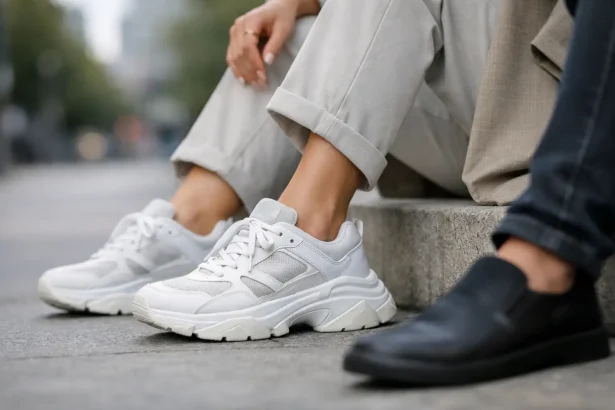
We get it. You want sneakers that work with leggings, denim, wide-leg pants, shorts, and whatever else is already in your closet. The good news is that comfortable walking shoes have improved a lot. You do not have to choose between a chunky orthopedic-looking shoe and a paper-thin fashion sneaker.
Neutral white, gray, black, beige, and navy pairs are the easy choices because they disappear into most outfits. But a color accent can make a practical shoe feel less like gym equipment. If you already wear simple clothes, a brighter sneaker can carry the outfit without trying too hard.
We would skip ultra-flat retro sneakers for all-day walking if you know your feet get tired. They can look excellent. Some of our favorite silhouettes do. But thin soles and minimal padding are rarely the move for eight hours on concrete. Save them for shorter days, dinners, and outfits where walking is not the main event.
Breathable mesh is useful in warm weather and for people whose feet run hot. It lets air move through the upper, which makes a long day less sweaty. The downside is that mesh is less protective in rain and can get dirty faster than leather or synthetic materials.
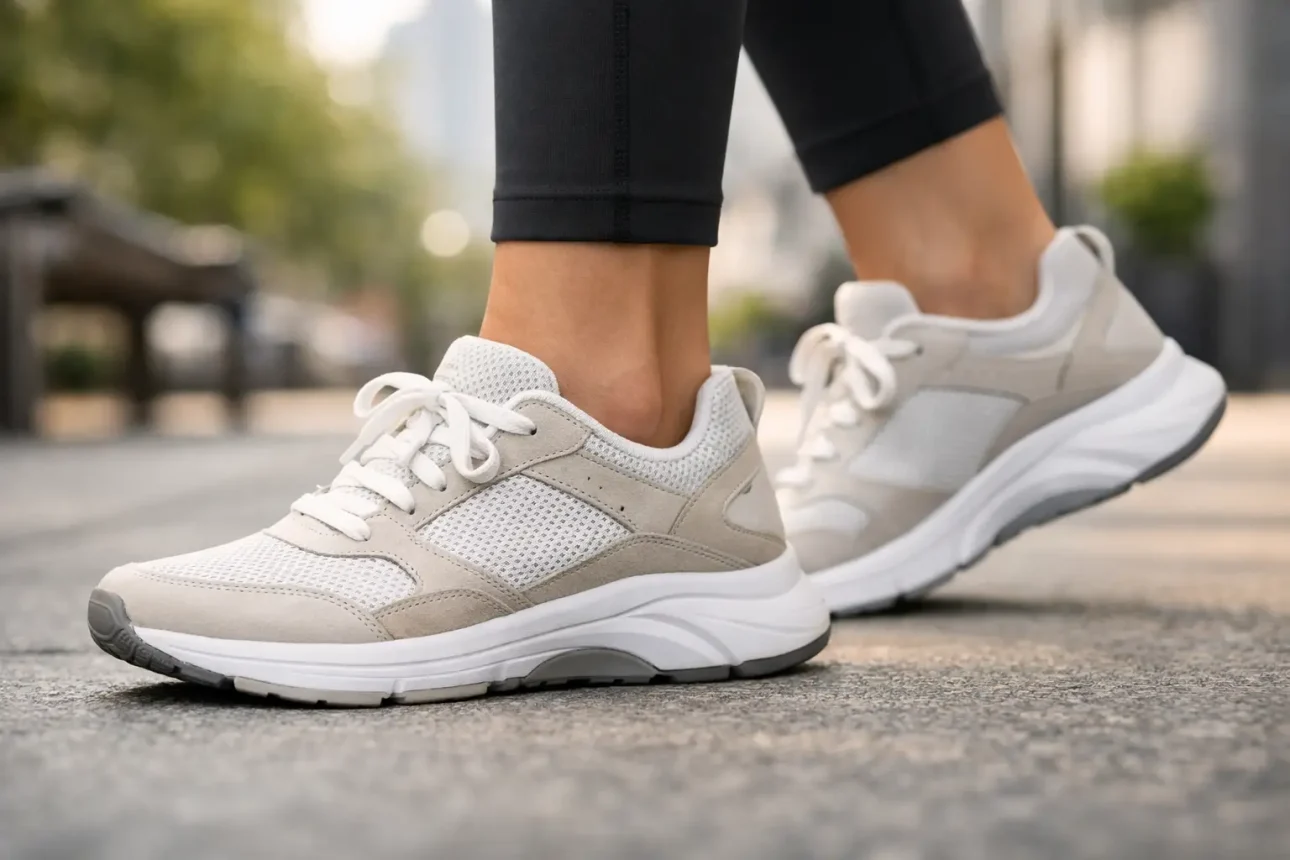
A knit upper can feel soft and sock-like, but it may not hold your foot as firmly as a structured upper. That can be great for casual walking and annoying for faster-paced walks. Leather or synthetic overlays add structure and are easier to wipe clean, though they can feel warmer.
Also, do not underestimate laces. A secure lace system lets you adjust the fit across the top of your foot. Slip-ons are convenient, especially for travel, but they need to fit almost perfectly from the start. If the upper stretches too much, there is not much you can do about it.
Do not wait for a hole in the upper. Walking sneakers can be worn out long before they look wrecked.
Pay attention to new aches, a sole that feels flatter than it used to, uneven tread, or a heel that has started leaning to one side. None of that means a shoe is bad. It means it has done its job. How fast this happens depends on your weight, walking surface, gait, and how often you wear the pair.
If you walk most days, rotating between two pairs is a smart move. It gives the foam time to rebound and stops you from wearing the same pressure pattern into the ground day after day. More importantly, it gives you a backup when one pair gets wet, dirty, or finally reaches the end.
The right walking sneaker is the one you stop thinking about after you lace it up. Your feet feel settled. Your stride feels natural. And when someone suggests walking a few extra blocks for coffee, you say yes without checking where the nearest bench is.