Cart
No products in the cart.
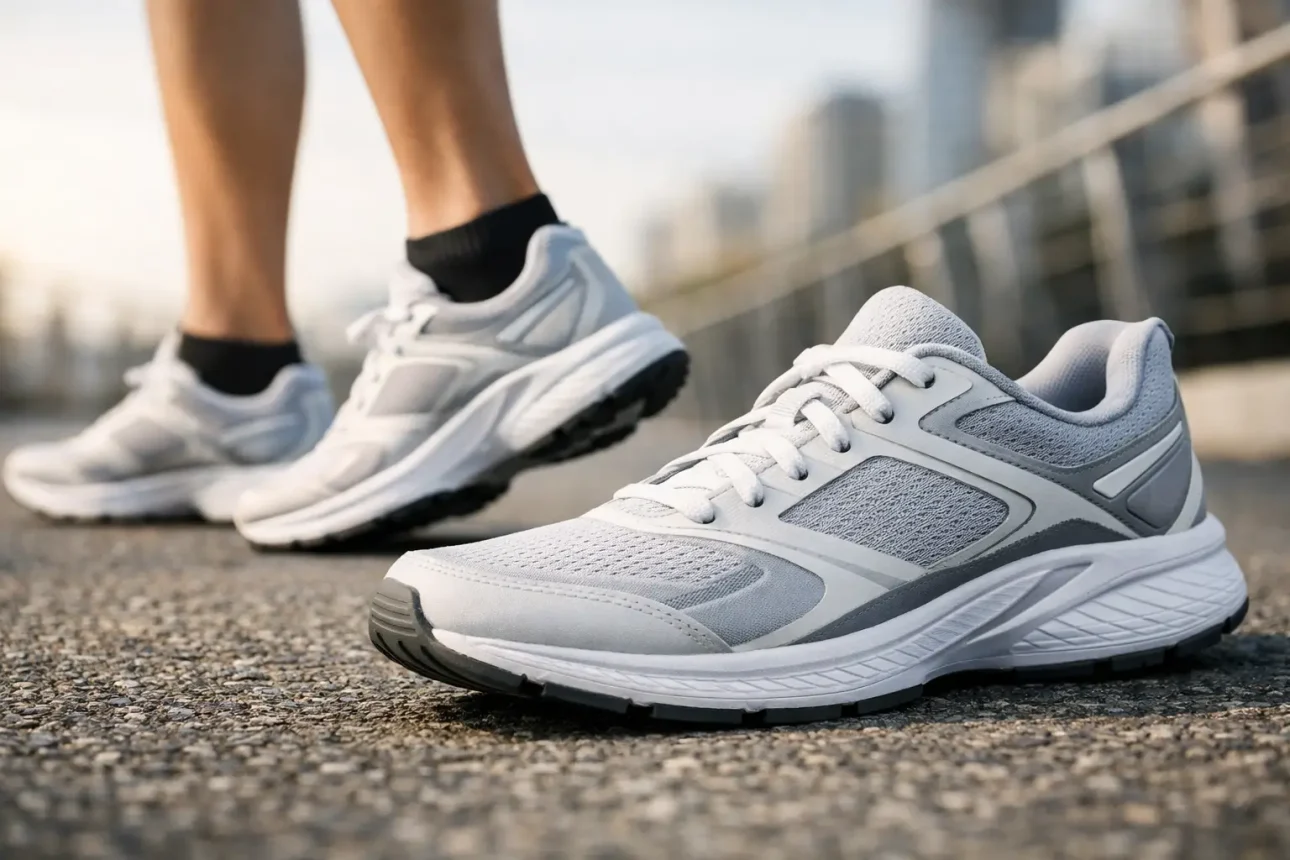
A cheap running shoe that feels dead after three runs is not a bargain. It is just a cheaper mistake. Affordable branded running shoes are different: they give you proven midsoles, reliable sizing, and enough grip to stop thinking about your feet every few minutes. You do not need the newest colorway or a carbon plate to enjoy your run. You need a shoe that matches the way you actually move.
We see people overspend because they assume a higher price means a better run. Sometimes it does. Often, it means lighter materials, race-focused geometry, or a logo attached to this season’s launch. For most runners, last season’s daily trainer is the smarter buy.
A running shoe does not need to do everything. In fact, the shoes that promise to handle easy miles, speedwork, trail runs, gym sessions, and dinner afterward usually do a few of those jobs badly.
For everyday running, we want three things. The cushion should take the sting out of pavement without feeling like you are standing on a mattress. The upper should hold your heel and midfoot in place when you turn a corner. And the outsole needs enough rubber under the high-wear spots that you are not looking at bald foam after a month.
That is the baseline. Fancy foam is nice, but only if it feels good at your pace. A super-soft shoe can feel fun for a slow three miles and sloppy when you pick up speed. A firmer shoe may feel less exciting in the store, yet feel more dependable after 45 minutes on concrete. We would take dependable most days.
The brand matters here, but not because a logo makes a shoe magical. Nike, Adidas, Asics, Brooks, New Balance, Puma, Hoka, On, and others have years of fit data and running-specific designs behind their main lines. Their lower-priced models and discounted previous versions are usually a safer bet than a random shoe with a dramatic product page and no track record.
The best price is rarely attached to the shoe everyone is posting this week. It is usually one generation back, in a less popular color, or in a daily trainer that does not pretend to be a race-day weapon.
A daily trainer is the workhorse pair you grab for most runs. It is built for regular use, not for showing off. That makes it the category we would spend our money on first. Shoes such as the Nike Pegasus line, Brooks Ghost, Asics Gel-Cumulus, New Balance Fresh Foam 880, Adidas Supernova, and Puma Velocity Nitro have built their reputations by being useful. Not perfect. Useful.
Some are softer, some are firmer, and fit changes from model to model. But this is the kind of shoe that can handle a beginner’s couch-to-5K plan, a lunchtime run, or steady weekend miles without making your feet feel beaten up. When an older version lands at a lower price, that is not a warning sign. It is often the sweet spot.
We are less excited by stripped-down entry-level shoes that look like running shoes but use thin foam and minimal outsole rubber. They can be fine for walking, occasional gym work, or a short jog. For someone running two or three times a week, though, paying a little more for a real daily trainer is usually money better spent.
Carbon plates are a good example. They can make a fast shoe feel snappy, especially when you are racing or doing hard workouts. They are also expensive, less stable for some runners, and not necessary for easy miles. If you are building consistency, skip them.
The same goes for massive stacks of foam if you prefer a grounded, controlled feel. More cushion is not automatically more comfortable. Some runners love the tall, bouncy feel of Hoka or certain New Balance models. Others feel like they are balancing on a soft platform. Your stride gets the final vote.
Waterproof versions are another price trap for many people. They make sense for cold, wet walks or very specific weather. For regular running, a breathable mesh upper often dries faster after a splash and feels less sweaty once the temperature climbs.
Start with where and how often you run. It sounds obvious, but it cuts through a lot of noise.
If your runs are mostly easy pavement miles, look for moderate cushioning and a stable base. Brooks and Asics are often strong choices for runners who want a predictable ride. They are not always the flashiest shoes on the wall. That is fine. Flashy does not help when your heel is sliding around at mile four.
If you want a lighter, more energetic feel for short runs and occasional faster sessions, Nike, Adidas, and Puma often have good options at sale prices. Look for enough rubber on the outsole, especially if you run on rough sidewalks. A light shoe that wears through quickly is not affordable for long.
If you are on your feet all day and run a few times a week, comfort has to work beyond your workout. Hoka and New Balance can be worth a look for their more cushioned daily models, provided the fit is secure. We would not buy a shoe solely because it feels plush while standing still. Walk briskly in it. Think about turns. Think about the last mile, not the first ten steps.
For mixed gym and running use, keep expectations realistic. A running-first shoe is usually too soft and tall for heavy lifting. A flat training shoe is usually too harsh for regular pavement miles. If your running is short and your workouts are varied, a balanced, moderately cushioned shoe can do both. If you run farther, get a dedicated running pair. Your knees do not need a compromise because your closet does.
A sale price is only good if the shoe fits. We have seen too many people force a half-size-too-small deal because it looked too good to leave behind. That shoe will not stretch into a smart purchase.
Leave about a thumb’s width between your longest toe and the front of the shoe. Your feet swell as you run, especially in warm weather or over longer distances. Your heel should feel held without being squeezed, and the midfoot should not feel like it is being strangled by the laces.
Pay attention to width too. A shoe can be the right length and still feel miserable if the toe box is too narrow. If your toes feel cramped while standing, they will not become happier at mile five. Some brands run narrow, some offer wider options, and each model can fit differently. Use your usual size as a starting point, not a rule carved in stone.
If you are unsure between two models, choose the one that disappears on your foot. Not the one with the coolest shape. Not the one a runner online called fast. The one you stop noticing after a few steps is often the winner.
We like a practical shopping plan: pick a proven daily trainer, check previous versions first, and avoid buying for an imaginary future runner. If you currently run three miles twice a week, shop for that runner. Do not buy an aggressive marathon shoe because you might train for one next year.
It also helps to have a realistic replacement mindset. Most running shoes lose their best feel gradually, not all at once. Once the foam feels flat, the outsole is worn down, or you start noticing new aches during normal runs, it is time to assess the pair. Rotating between two shoes can help if you run frequently, but one solid pair is enough when you are starting out.
At SneakerPrime, we would rather help you find a shoe you will wear than push the most expensive option on the page. A discounted, well-fitting daily trainer from a brand you trust beats a trendy shoe that spends its life by the door.
Your next pair does not need to look like a pro athlete’s race shoe. It needs to make you want to go out again tomorrow. That is a far better return on your money.