Cart
No products in the cart.

Your feet do not care that your sneakers look good in the mirror. They care how they feel after three hours on concrete, a long airport connection, or a shift where sitting down is not really an option. So, are walking shoes worth it? For people who rack up real daily steps, we think they usually are. Not because they have a special label on the box, but because the right pair can make the end of the day feel a lot less punishing.
That does not mean every shoe sold as a walking shoe is automatically better. Some are stiff, heavy, and about as exciting as office carpet. Some regular sneakers are excellent for walking. The point is to buy for what you actually do, not for whatever category sounds healthiest.
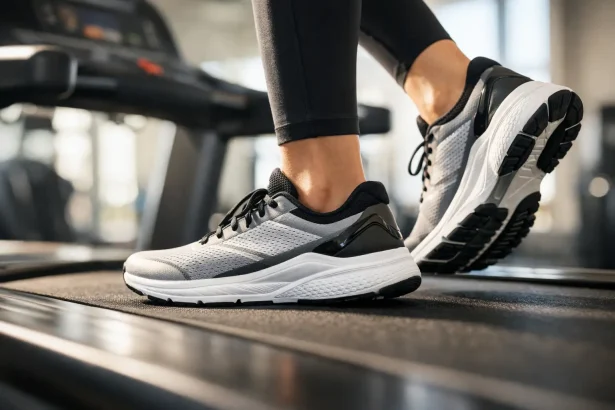
A proper walking shoe is built around a simple movement: your heel lands first, your foot rolls forward, and you push off through the toes. That happens thousands of times on a decent walk. A good walking shoe helps that motion feel smooth rather than making your feet fight the shoe all day.
Usually, that means a stable base, enough cushioning to take the edge off hard pavement, and a sole that bends near the front of the foot. It should not fold in half like a cheap flip-flop, but it should not feel like you are walking in ski boots either. The best pairs have a natural roll from heel to toe. You stop noticing the shoe. That is the goal.
Walking shoes also tend to have practical details that matter more than flashy tech. A roomy toe box lets your toes spread instead of getting squeezed together. A secure heel keeps your foot from sliding around. A grippy outsole helps on wet sidewalks and polished store floors. None of this is glamorous. All of it matters at 5 p.m.
Sometimes yes. Sometimes absolutely not.
If your current sneakers feel comfortable after a full day, have decent grip, fit without rubbing, and are not worn flat, you may already be set. We are not going to tell you to buy another pair just because the internet says every activity needs its own shoe. A well-cushioned everyday sneaker from brands like New Balance, Brooks, Hoka, Asics, or On can handle walking very well.
But plenty of lifestyle sneakers look better than they walk. Flat, low-profile models can be fine for coffee runs and casual plans. Put 10,000 steps on them over sidewalks, though, and the thin sole starts sending a message. Your heels feel it. Your arches feel it. Even your knees may feel more beat up simply because there is less material between you and the ground.
If that sounds familiar, a dedicated walking pair is worth considering. We would rather see you keep the stylish flat sneakers for shorter days and wear something more supportive when the day involves commuting, errands, travel, or standing at work. You do not need to make every outfit athletic. You just need shoes that match the mileage.
The best walking shoes do not magically turn a long day into a spa day. Anyone promising that is selling fantasy. What they can do is reduce the little annoyances that build up over hours: heel pounding, hot spots, tired arches, toes bumping the front, and that heavy-foot feeling on the ride home.
Cushioning plays a big part, but more foam is not always better. A super-soft shoe can feel amazing for ten minutes and wobbly after two hours. For walking, we like cushioning with a little structure. Think padded, not squishy. You want the shoe to soften the landing while still giving your foot a stable place to push from.
This is why brands with comfort-focused models have earned their following. Hoka is known for thick, protective cushioning. Brooks often feels steady and straightforward underfoot. New Balance does a strong job of blending everyday style with genuinely walkable shapes. On can feel light and clean for people who do not want a bulky-looking shoe. Different feel, same basic job: make repetitive pavement miles easier to live with.
We would spend the extra money if you walk for exercise several times a week, work on your feet, commute on foot, travel often, or regularly end the day with sore feet. Those are not rare cases. That is normal life for a lot of people.
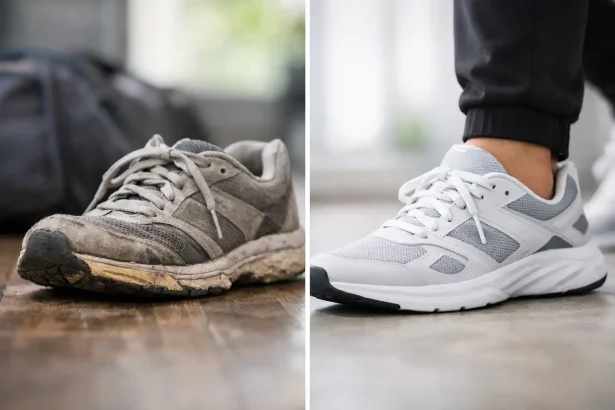
They also make sense if you burn through casual sneakers quickly. When the outer heel is worn down, the sole is creased flat, or the shoe leans to one side on a table, it is done for serious walking. Wearing it longer might save money for a week or two, but it rarely feels like a win.
A separate walking pair can also preserve your nicer sneakers. Rotating shoes gives the foam time to rebound and keeps one pair from taking every step, every day. It is less about owning a huge collection and more about not asking one shoe to do everything.
If you mostly drive, walk short distances, and wear your sneakers for social plans rather than all-day movement, do not overthink it. A comfortable everyday sneaker is enough. Buying a chunky walking shoe for a lifestyle that involves 2,000 steps a day is like buying hiking poles for a trip to the grocery store.
You can also skip the “walking shoe” label if a running shoe fits your needs better. Many running shoes make excellent walking shoes, especially for people who want a lighter feel and more cushioning. The trade-off is that some running models are taller and less stable for slow, all-day walking. Try them on and pay attention to whether you feel planted, not just cushioned.
We would be cautious with shoes that feel great only while standing still. Walk around the room. Roll through your stride. If the heel slips, the arch presses in one annoying spot, or your toes hit the front, it will not improve after five miles.
Start with fit, not branding. Leave about a thumb’s width of space in front of your longest toe. Your heel should stay put without needing to lace the shoe painfully tight. The widest part of the shoe should match the widest part of your foot. Simple stuff, but it rules out a lot of bad buys.
Then think about your route. For sidewalks and work floors, look for moderate cushioning and a stable platform. For long travel days, a lighter shoe with a breathable upper can be a smart call. For wet weather, grip matters more than a soft foam sales pitch. For wide feet, do not try to force a narrow fashion sneaker to cooperate. Choose a roomier model and save yourself the drama.
Style still counts. We sell sneakers, so we are not going to pretend otherwise. The right walking shoe should work with your life, not look like it belongs in a medical supply catalog. Plenty of modern options have clean colors, simple shapes, and enough comfort for serious daily use. Ugly can be comfortable, sure. But you do not have to settle for ugly.
More expensive does not always mean more comfortable. We have seen premium-looking shoes with mediocre support and affordable pairs that feel better straight out of the box. What you are paying for should be a better fit, a more durable outsole, cushioning that does not flatten immediately, and materials that hold up to regular wear.
If a shoe costs more but you wear it four or five days a week for months, the math can make sense. If it sits in the closet because it feels too stiff or looks wrong with everything you own, it was expensive no matter what the receipt said.
Our advice is simple: buy walking shoes when walking is a real part of your day, not an imaginary future version of your routine. Your best pair is the one that feels good after the miles and still makes you want to put it on tomorrow.