Cart
No products in the cart.
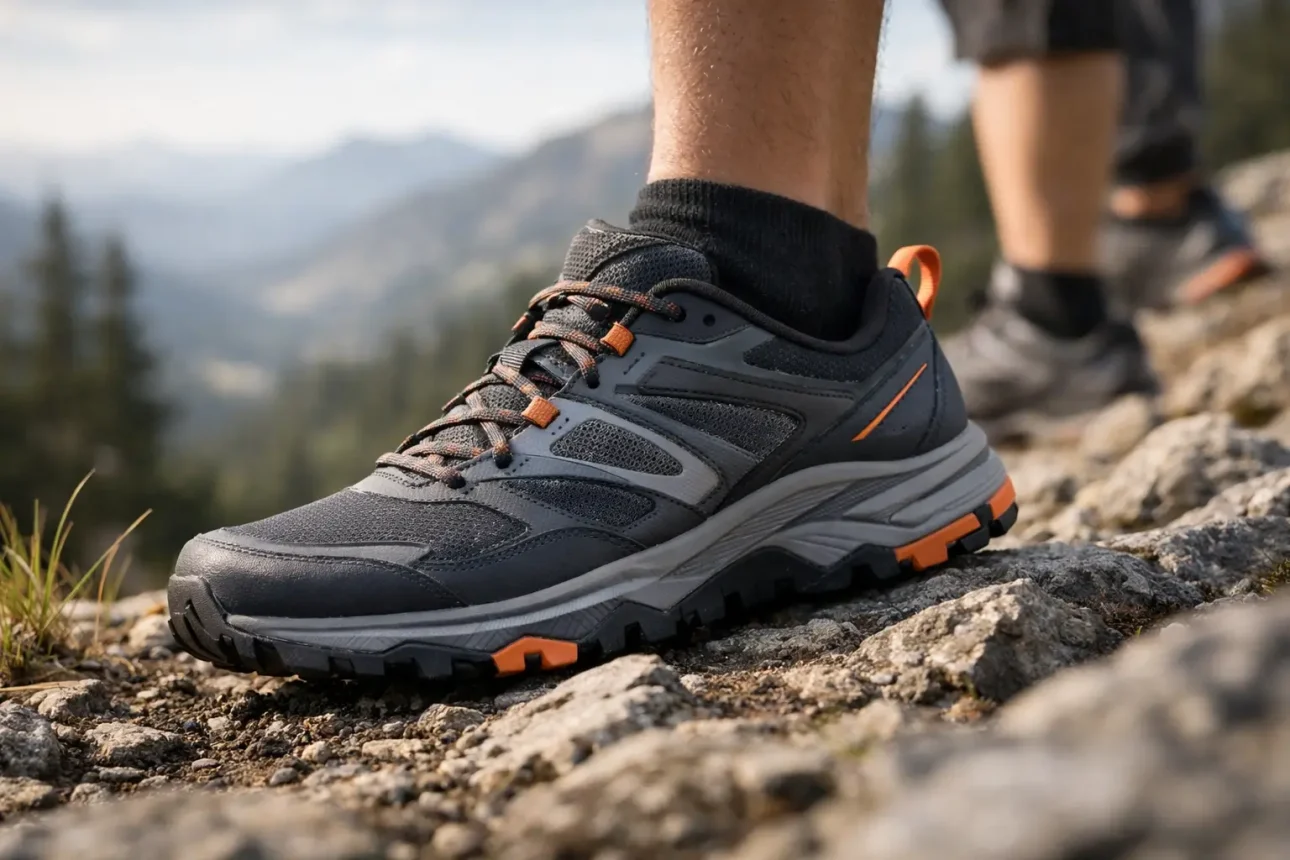
Road shoes feel fine right up until the trail turns loose, wet, steep, or weird. Then they start sliding around like they showed up to the wrong party. If you’re wondering how to choose trail running sneakers, start here – not with brand hype, not with a random top-10 list, but with where you actually run and how your feet like to feel after an hour outside.
Most people get this wrong in one of two ways. They either buy the toughest, most aggressive trail shoe they can find for easy local paths, or they buy a soft road-to-trail pair and expect it to handle rocks, mud, and roots. Both mistakes are expensive. Trail shoes are not all doing the same job.
Terrain matters more than almost anything else. More than color. More than whatever trend is all over your feed. The outsole – the rubber on the bottom and the shape of the lugs – should match the ground you run on most often.
If your trails are hard-packed dirt, gravel paths, and dry park loops, you do not need massive lugs. In fact, deep, aggressive tread can feel clunky and slow on firmer ground. We’d go for a versatile trail shoe with moderate grip and a smoother ride. It feels less awkward when you hit a short stretch of pavement too.
If you run on muddy trails, wet forest routes, or loose terrain, grip jumps way up the priority list. This is where deeper lugs actually earn their keep. They bite into soft ground and help on descents when your legs are cooked and your form gets sloppy.
Rocky terrain is a different problem. There, you want underfoot protection. Some shoes have rock plates, which sounds technical but is simple – it’s a layer that helps stop sharp rocks from stabbing through the sole. Not everyone likes that firmer feel, but if your trails are littered with stones, it’s a smart trade.
The honest version is this: there is no perfect do-everything trail shoe. There are shoes that handle most conditions well enough, and there are shoes built for specific mess. Buy for the ground you see most, not the one big mountain trip you might take in six months.
A lot of runners shop by brand first. We get it. If you’ve had good luck with a brand on the road, it’s tempting to stay there. But trail fit can be very different from road fit, even within the same company.
Your trail shoe should feel secure without crushing your forefoot. On trails, your foot moves more side to side than it does on flat roads. If the upper is too loose, your foot slides around on corners and descents. That gets annoying fast. It can also trash your confidence, because every uneven step feels sketchy.
At the same time, a too-tight toe box is a bad idea. On downhills, your toes will jam forward. If the front of the shoe is cramped in the store, it will feel worse on the trail. We usually tell people to look for a locked-in midfoot and heel, with enough room up front for your toes to spread a bit.
Don’t assume tight means performance. That’s old thinking. A secure fit matters. A punishing fit doesn’t.
It should feel planted, not squeezed. Your heel should stay put when you walk uphill. Your toes should not hit the front when you step downhill. And the shoe should not fold your foot into some narrow shape just because it looks fast.
If you wear thicker socks on trails, account for that. If your feet swell on longer runs, account for that too. Small fit mistakes feel bigger after miles of climbing and descending.
This is where people get sold the wrong shoe all the time. They try on a super-soft pair in a store, bounce once, and think that means comfort. Sometimes it does. Sometimes it means your foot is about to wobble all over technical trail.
Soft cushioning can feel great on smoother terrain and longer easier runs. It takes the edge off repetitive impact. Brands like Hoka and Brooks often do this well, especially if you like a more forgiving ride.
But if the trail is technical, off-camber, or rocky, too much softness can make the shoe feel unstable. You don’t always want to be standing high off the ground on a pillow while trying not to roll an ankle. Lower, firmer trail shoes often feel more connected and more trustworthy on tricky surfaces.
We like to think about cushioning as a balance between comfort and control. If your runs are mostly buffed-out trails, lean more comfortable. If they’re rough and unpredictable, lean more controlled. There is no prize for picking the most cushioned shoe if it makes you feel sketchy on every turn.
Stack height just means how much shoe sits between your foot and the ground. More stack can feel protective and plush. Less stack can feel nimble and stable. Neither is automatically better.
If you’re new to trails, a moderate stack is often the safest bet. Enough protection to stay comfortable, but not so much that the shoe feels detached from the terrain.
People talk about outsole rubber like it’s magic. It matters, yes. But tread shape, lug depth, and the surface you’re on matter just as much.
On dry dirt, almost any decent trail outsole will do the job. On wet rock, things get more serious. Some shoes grip well until the trail gets slick, then suddenly feel like a bad decision. If you often run in rain or on wet stone, prioritize a shoe known for dependable traction, not just a handsome upper and a big brand stamp.
Lug depth matters too. Shallow lugs are faster and smoother on mixed terrain. Deeper lugs are better for mud and soft ground, but can feel awkward on hard-packed trails. Again, it depends on where you run most.
Short trail runs and long trail runs can ask for different things. For shorter efforts, a lighter, more nimble shoe can feel great. You notice the quick turnover. You feel more precise on uneven ground.
For longer runs, foot fatigue becomes a bigger deal. That’s where extra cushioning, more protection, and a slightly roomier fit can help. A shoe that feels fun for 4 miles may feel harsh and cramped at mile 12.
Be honest about your distance. Not your fantasy distance. Your real one. If you mostly run 3 to 6 miles after work, don’t buy an oversized ultra shoe just because it looks serious. If you’re building toward longer weekend trail runs, don’t pick a stripped-down racer that beats up your feet halfway through.
Lighter shoes feel faster. That’s real. But shaving an ounce off the shoe means nothing if the fit is bad or the grip isn’t right for your trail.
A slightly heavier shoe with better traction and more confidence underfoot is often the smarter pick. Especially for newer trail runners. We would take stable and reliable over featherlight and nervous almost every time.
The exception is if you’re racing or you already know exactly what kind of trail feel you like. Then weight can become a bigger factor. Until then, treat it as a nice bonus, not the main event.
This one depends heavily on climate and expectations. Waterproof trail shoes sound practical. Sometimes they are. In cold, wet conditions, they can help keep your feet warmer and block shallow puddles.
But they also run hotter. And once water gets in from the top, it can stay there longer. For a lot of runners, a breathable non-waterproof shoe is the better everyday option. It drains better, dries faster, and feels less swampy.
We usually lean breathable unless you regularly run in cold, soaked conditions. Waterproof shoes are useful. They are not automatically the smarter choice.
Some of them are great. Some are just road shoes with a slightly tougher outsole and a trail label slapped on. For gravel paths, dry parks, and mixed pavement-to-dirt routes, road-to-trail models make sense. They’re smoother on hard surfaces and less aggressive underfoot.
But for true trails with rocks, roots, mud, and steep sections, we usually prefer a proper trail shoe. Better grip. Better foothold. Less drama.
If you’re stuck between a few pairs, narrow it down in this order: fit first, terrain second, cushioning third. After that, think about weight and weather. Brand comes after all of it.
That may sound harsh if you love a certain logo, but your feet do not care about brand loyalty when the trail gets messy. A great trail shoe is the one that disappears under you and lets you focus on the run, not on slipping, rubbing, or bracing every landing.
If you’re buying your first pair, don’t overcomplicate it. Pick a shoe that fits securely, has moderate cushioning, and matches your most common trail conditions. That middle-ground option is usually the right call. Specialized shoes make more sense once you know what you like and what annoys you.
The best trail shoe is rarely the loudest one. It’s the pair you stop thinking about after the first mile, because everything just feels sorted.