Cart
No products in the cart.
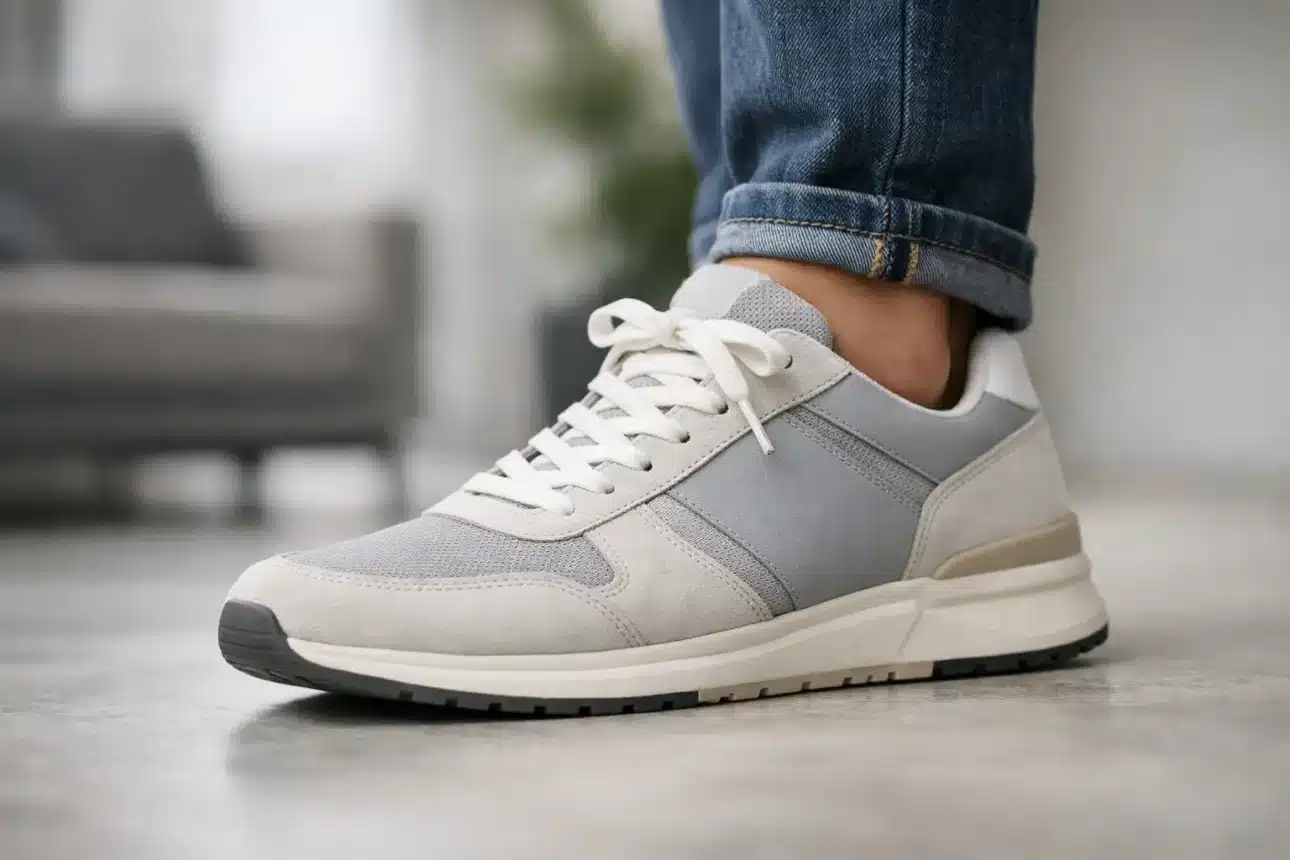
A lifestyle sneaker can look perfect in the product photo and still annoy you by lunchtime. That is the trap. When people ask us how to choose lifestyle sneakers, we start with a blunt question: where are you actually going to wear them? Not where you imagine wearing them. Your real Tuesday matters more.
If your day means walking to work, standing in line for coffee, taking the train, and meeting friends later, a flat fashion shoe with a hard sole may not be the move. It might look clean for 20 minutes. Your feet will have a different opinion at 5 p.m.
Lifestyle sneakers sit between pure fashion and serious performance footwear. They should look like part of your outfit, but they still need to earn space in your closet. Here is how we pick the pairs worth buying.
The best lifestyle sneaker depends on what it has to do. A shoe for short errands and dinners can be slimmer, firmer, and more style-led. A shoe for a city commute and eight hours on your feet needs more cushioning, a stable base, and an upper that does not rub when your feet warm up.
Be honest about your walking. Lots of people call themselves casual walkers, then check their phone and realize they cover five or six miles on a normal day. If that is you, skip the super-flat options. Classic low-profile sneakers have a place, but they are not automatically comfortable just because they are famous.
Think about the surface too. Smooth office floors, sidewalks, airport terminals, and uneven pavement all feel different underfoot. A chunkier sole can take the edge off concrete. The trade-off is weight and a bolder look. We think that is usually worth it if you walk a lot, but not everyone wants a shoe that looks like it belongs on a hiking trail.
A good fit is not a minor detail. It is the whole deal. Brand sizing is useful, but it is not a promise. One brand may fit long and narrow, while another feels roomy through the toes but snug at the heel.
Your toes need a little breathing room at the front. Not a huge empty cavity, but enough that your longest toe is not pressing the upper when you walk downhill or stop suddenly. Your heel should feel held in place without being squeezed. If it lifts with every step, you will notice it fast.
Try shoes later in the day if you can. Feet often swell a little after walking, working, or training. A pair that feels fine first thing in the morning can feel restrictive later. Wear the kind of socks you will actually use, too. Thin no-show socks and thicker athletic socks can change the fit more than people expect.
We will take a side here: do not buy sneakers that hurt because you hope they will become perfect. Leather can soften. Some uppers can relax a touch. But a narrow toe box does not magically become wide, and a heel that bites on day one can keep biting.
A new shoe may feel slightly firm. That is normal. Sharp pressure, tingling, rubbing, or your toes hitting the front is not. Leave it.
Cushioning is not just about making a shoe feel soft when you press it with your thumb. What matters is how it feels after hours of walking. Some foam feels plush at first but can feel unstable or tired after a long day. Other shoes are firmer, yet steady and supportive when you are moving around all day.
For long commutes, travel, and busy days, we usually favor a lifestyle sneaker with a thicker foam midsole and a wide, stable platform. Models influenced by running shoes often work well here. Brands such as New Balance, Asics, Hoka, On, and Brooks make options that can feel noticeably easier on hard pavement than a thin-soled retro shoe.
That does not mean every sneaker needs to look like a running shoe. If your routine is mostly driving, office time, and short walks, a cleaner Adidas, Nike, Puma, or classic New Balance silhouette may be exactly right. Less foam can give you a lower, more connected feel. It also tends to look better with certain outfits. Just do not confuse low profile with all-day comfort.
Sneaker trends move fast. Your closet probably does not. Before buying, picture the shoe with three outfits you already wear. If you can only make it work with the exact outfit from the campaign photo, it is probably not a smart everyday buy.
Low-profile sneakers are easy with straight-leg jeans, shorts, relaxed chinos, and cleaner casual looks. They can make an outfit feel sharper, but they offer less visual balance with baggier pants. Bigger, more cushioned sneakers work naturally with relaxed denim, cargos, wide-leg pants, and athletic layers. They can look awkward with very slim pants. That is not a rule carved in stone. It is just a look we see fail a lot.
Color matters more than people admit. White, gray, black, navy, and muted earth tones get worn more often because they do not demand planning. A bright pair can be fun, but it should be a second or third sneaker, not the one you expect to wear every day.
We also like materials that fit real life. Mesh is lighter and breathes well, especially in warm weather, but it can show dirt quickly. Leather and synthetic leather are easier to wipe down and often look cleaner for longer, though they may run warmer. Suede looks excellent and can make a basic outfit feel more considered. It also hates rain, spills, and people who never check the forecast.
A sneaker can have a strong name and still be wrong for you. Look past the side profile and focus on the practical stuff.
The upper should feel smooth around the toes and across the top of your foot. If it creases into your foot when you bend, that can become irritating on longer walks. The collar around the ankle should hold you gently, not feel like a stiff ring. A padded tongue helps spread lace pressure, especially if you have a higher instep.
Then look underneath. A rubber outsole with decent coverage usually lasts better for everyday pavement than exposed foam. Deep, aggressive tread is not necessary for normal city use, but a nearly smooth sole can feel sketchy on wet sidewalks. We would rather have a little grip than a sneaker that looks sleek but slides around at the first sign of rain.
Weight is personal. Lightweight shoes feel easy and quick, especially for travel. Heavier models can feel more planted and substantial. Neither is automatically better. If you are on your feet all day, though, lifting a heavy shoe thousands of times gets old.
This is where shoppers get talked into the wrong pair. A lifestyle sneaker inspired by running may be comfortable for walking, errands, and gym warmups. That does not automatically make it a good running shoe. Likewise, a true running shoe may feel fantastic underfoot but look too technical for the clothes you wear most.
If you run regularly, buy a dedicated running shoe. Your stride, weekly mileage, and preferred feel matter more there. Use your lifestyle sneakers for the miles that happen around life. Walking the dog. Getting through the airport. A full Saturday downtown.
The same goes for the gym. For easy cardio, many cushioned lifestyle models are fine. For heavy lifting, a very soft, tall sole can feel wobbly when you are squatting or deadlifting. A flatter, more stable shoe makes more sense. Shoes do not need to do every job. In fact, the pairs that try often do none of them particularly well.
One solid pair is better than a closet full of sneakers you avoid wearing. But if you wear the same pair every day, it will age faster and may not suit every situation. A simple two-pair rotation is enough for most people: one clean, versatile sneaker for everyday outfits and one more cushioned option for travel, long walks, and busy days.
At SneakerPrime, we would rather help you find the pair you keep reaching for than push the loudest shoe in the room. The right sneaker is not always the most photographed one. It is the pair that still feels good when your plans run late, your route gets longer, and you have not thought about your feet once.